
A Grateful Family Is A Happy Family: Five Gratitude Practices
Creating a grateful family culture is a challenge in our entitled, indulgent age. Yet much research has confirmed what we intuitively know – practicing gratitude and being grateful are keys to a happier life. Therefore, it’s well worth our consistent and continued effort as parents to model and teach our kids to practice gratitude. As we enter this Thanksgiving month, let’s promote gratitude in our families. After all, if we constantly dwell on what’s going wrong in our lives and in the world (and stay focused on what we don’t have), we are left feeling anxious, empty, and depressed. But when we take time to count our blessings, we shift our mindsets and become happier, more grateful people.
For those of you who would like to create a more grateful family culture, here are five family gratitude practices you might try. If your family is like most, they will likely only agree to participate in one or two of these, so choose one that resonates for you and go for it!
Daily Gratitude Sharing
Just like we do with our Highs and Lows at dinner or at camp with campers around the campfire, we can get into the habit of sharing, as a family, one (or more) things we’re grateful for. This can be at family dinner, on the car ride to school, at bedtime, or whatever time works best with your family’s schedule. Just make it a daily habit and everyone will get used to it. When we’ve tried this, it seems to eventually warrant some kind of guidelines about what types of things are “shareable.” For example, being thankful for a particular video game might be appropriate to share once, but it’s best to encourage everyone to share about people and events (rather than things) they are grateful for.
Gratitude Jar or Board
This can be an ongoing family gratitude practice, perhaps kicked off at Thanksgiving and ending on New Year’s Eve. For the jar, people jot down things they are grateful for and put the notes inside. On a specified day (end of the year is good!), empty the jar and read the notes so the whole family can reflect on individual and group blessings. A board is a more visual way to show thanks. Simply tack the notes up as you think of things you’re thankful for. Having a “minimum daily or weekly requirement” of one note per person works well, just so we make it a habit and fill up our jar or board.
Thankful “Warm Fuzzies” at Thanksgiving
This is one of my favorite activities and something we’ve done for the past few years. Each family member has an oversized place card at their dining spot. Throughout the afternoon and evening, people are required to write something they appreciate or are grateful for about each person on the inside of their place card. It can be just a few words or a whole sentence, but each person needs to write on everyone’s card. These are really fun keepsakes that provide a nice boost to each family member. This can also be done as a group by passing the cards around until each person has signed each other person’s card. When your own card gets back to you, you’ve completed your warm fuzzies!
Gratitude Journal
Ask each family member to find a journal that’s sitting empty or partially empty, or even a spiral notebook will do, and ask them to write down two or three things they are thankful for each day. If someone is feeling especially creative, they can even decorate their journal! From experience, it’s best not to force anyone to write in their journals! Sharing out loud, at dinner or bedtime (see #1), is better for kids who don’t enjoy writing. Perhaps a good alternative would be a family gratitude journal, completed by a parent or designated scribe, when everyone’s sharing what they’re grateful for. That would be similar to the gratitude jar or gratitude board.
Giving to Others
Perhaps the best way to promote gratitude in our children and ourselves is reaching out and serving others who are less fortunate. There are so many opportunities this time of year (and all year long, for that matter) to participate in collection and delivery of food, toys for children, winter coats, and more. There are so many needy people, and reaching out to help others (even virtually!) not only makes us more kind and compassionate, but also more appreciative of what we have.
There are so many ways to build up our gratitude muscles, and helping our kids learn to be more grateful people can have a life-long positive impact. Here’s to an attitude of gratitude during the holidays! Happy Thanksgiving!
“Foxtrot” Receives 2022 Coach’s Award
In 2009, Gold Arrow Camp lost a dear friend. Ken “Coach” Baker (March 10, 1951 – April 5, 2009) worked at GAC as Camp Assistant Director and Director from 1981-1992 and had a huge, positive impact on many of us who are still here at camp today. Ken was instrumental in helping Sunshine purchase Gold Arrow from Jeanie Vezie in 1989, and mentored Sunshine, Monkey, Woody, Chelster, Tigger, Junior, Trapper, and many other GAC staff during their early years working at camp.

Ken had an amazing way of making even mundane tasks like picking up trash and painting buildings feel monumentally important. He had a way of clapping his hands together and giving a pep talk that got everyone fired up to do their jobs well. Ken had a near-constant smile on his face and took every challenge that came his way in stride. We all knew we could go to him with any problem and he would help us figure out how to fix it.
To honor Ken, in 2009 we established “Coach’s Award.” This award has been given each year since to a leader at camp, nominated by his/her peers, who motivates others through positive leadership and encouraging words and exemplifies Ken “Coach” Baker’s dedication to GAC’s vision.
To select each year’s recipient, we ask the entire staff to complete a nomination form, where they put the name of one person whom they think deserves this honor. They include comments about the person they nominate. We have such a high caliber of staff, many of whom are extremely positive and exemplify what Coach stood for, and we are grateful for the legacy he left us and that so many people at GAC are incredibly positive and motivating to others.


2022’s recipient, Jacob “Foxtrot” Harris, stood out in those many nominations for his patient and positive leadership of our youngest campers and for his love of camp. His name has been added to Coach’s Award, which hangs in our camp store.
Foxtrot has a long history at GAC. He was a camper for six years, from 2012-2017 and joined our staff in 2021. He has primarily worked as a Group Counselor for our youngest campers (ages 6-7) and has shown exemplary counseling skills. His two sisters, Sydney “Squid” Harris and Hailey Harris, are also both long-time campers. Squid is an 11-year camp veteran, with 9 years as a camper and 2 years on staff.

There were many amazing comments about Foxtrot in his nominations, including:
He is such a positive and happy person to everyone he interacts with. I’m sure he has tough days, but he doesn’t show it. He always puts his campers first and never complains about being tired, being alone, dealing with 12 campers, etc.
If you’ve never seen Foxtrot interact with campers, you’ve been denied a real treat. He maintains focus on his campers at all times and exudes positivity, flexibility, creativity, grit, and most of all, kindness. He shows his campers, by his stellar example, how to embrace challenges, try new things, and have a lot of fun. Although Foxtrot’s personality tends to be quieter and his contributions to camp sometimes play out through deep personal connections with his campers and peers, Foxtrot’s legacy and impact are evident to everyone here. His strong work ethic, great attitude, and friendliness will carry Foxtrot far in this life. On behalf of everyone, I will say that we are better for knowing him and grateful that Foxtrot shares himself so fully at camp.
Foxtrot is inspiring to me. He takes difficult situations in stride. He is kind, patient, and warm-hearted. He is a great role model and helps make camp a great place. I love his work-ethic and attitude about everything. I can’t help but be happy when I’m around him.
Foxtrot is such an amazing, caring, well-rounded guy. Foxtrot cares so deeply about his campers and truly embodies the GAC way. Being with baby bears is no easy job and Foxtrot somehow does it year and year. Foxtrot is amazing and camp truly would not be the same without him.

I can only imagine the energy it takes to work with bears all the time. 4 sessions seems like an impossible task, yet everytime I see you, you have a bright smile, endless enthusiasm, and a kind word to share. You work tirelessly and without complaining all while making time for other counselors. Your dedication to your campers, and leadership among other counselors is infinitely impressive. You have created such a positive atmosphere at camp and watching you work helps me be a better counselor.
He is amazing with all the campers always taking care of them in a kind manner.
When I envision a good role model for how to act both inside camp as a counselor and outside of camp as a generally good person, Foxy comes to mind. His perpetual positivity is inspiring, and his constantly good attitude that everything will be alright is something I can only hope to attain. He is the perfect embodiment of GAC.
Foxtrot has always displayed pure positivity. There is never a moment when he’s down and his attitudes are contagious. He also does such an amazing job with the youngest boys as well and I genuinely don’t think anyone else embodies GAC like him.
Foxtrot’s innovation helped me in so many situations. He made me a better counselor through his patience, kindness, and resilience.
Such an amazing leader, to be that good with baby bears is so impressive. His dedication is amazing and so appreciated!
His patience with his bear’s and his dedication to GAC is easily seen in all his actions. Listening to him tell stories to his cabin every night is so sweet. He is a great friend and person all around.


Choose Kindness: Kindness Tips of the Day
Download our Kindness Tips of the Day
Helping Campers Find Their “Green Zone”
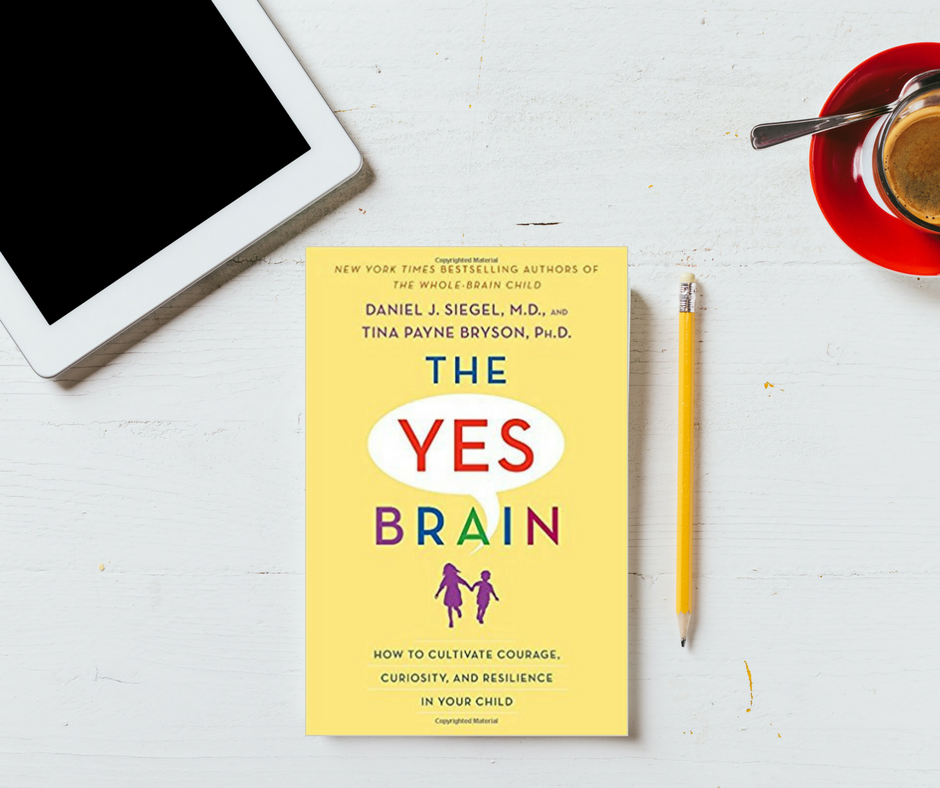
The concept of red, green, and blue zones from The Yes Brain (a parenting book by Dr. Daniel Siegel and Tina Payne Bryson, Ph.D.) has been a helpful tool for counselors as they learn how to assist campers who become dysregulated.
 The red, blue, and green zones describe the emotional characteristics or states our children (and we!) are in at any given time. The “green zone” is the state we want to help our children be in as much as possible and to help them learn to return to when they enter the red or blue zones.
When our children are in that wonderful green zone, they are receptive, resilient, stable, calm, flexible, open, and teachable — all the traits that allow them to be their best selves.
When our kids feel and exhibit high anxiety, fight or flight, rage, extreme fear, a “deer in the headlights, or high arousal, they are in the “red zone.” It’s easy to remember since we all have experienced the feeling of “seeing red” or feeling extremely angry.
Some kids who are dysregulated or out of their green zone don’t go into the “red zone.” Instead, they may go to the “blue zone.” They’re in the blue zone when exhibiting shutting down, being depressed, going rigid, fainting, freezing, or appearing numb.
Understanding what’s happening when kids respond inappropriately (outbursts, tantrums, freezing, etc.) is helpful as we guide them to expand their green zones and learn how to deal with different emotions and experiences.
Tools we can use when campers become dysregulated include:
Connection
Staying in our Own Green Zone
Redirection,
Name it to Tame it
Our goal is also to help campers gain skills to expand their green zone and learn to remain in the “green zone” when responding to interpersonal challenges that are part of all relationships. We talk with campers about calm down strategies that work for them when they “flip their lid.” One of our Kindness Tips is to “Share your favorite calm-down (unflipping your lid) strategy with your cabin group.”
Thinking about children’s behavioral responses to different events and triggers provide a clue to the size of their green zone and can help us, as adult mentors, camp counselors, and parents, help them grow their green zones.
Related/Resources
Ep. 95: Raising a Yes Brain Child with Tina Payne Bryson
10 Ways to Teach Kids to Calm Down
Dr. Daniel Siegel Explaining the Hand Model of the Brain (Flipping Your Lid)
The Yes Brain: How to Cultivate Courage, Curiosity, and Resilience in Your Child
One-Page Summary of The Yes Brain
Ep. 20: The Yes Brain with Tina Payne Bryson (podcast episode)
The Yes Brain (Facebook Live interview) with Tina Payne Bryson
Why Kids Need to Get Uncomfortable
As parents, we spend a lot of time making our kids comfortable. Feeling cold? I’ll grab you a sweatshirt. Hungry? Let me get you a snack right away! Kid being unkind? I’ll complain to the teacher and make her stop!
At times, I’ve felt like it’s my duty to alleviate any discomfort my child is feeling. I think a lot of parents feel this way during this unique era of “overparenting.” One friend described the “lawnmower” parent who grooms the path for their child to make it smooth and without any bumps.
Some of us by nature are more “gritty” than others, able to push ourselves and deal with discomfort. Think about endurance runners who stumble across the finish line, bloody and exhausted. Others of us are more prone to climbing deeper into our turtle shell when faced with life’s inevitable discomforts and challenges. We tend to hunker safely inside our comfort zone and not let anyone or anything pull us out.
No matter where our kid’s (or our own) starting point may be, it’s important to explore the concept of being uncomfortable and, as parents, learn to tolerate that discomfort when our kids are feeling anxious, nervous, or afraid.
It’s not easy. Our natural instinct is to protect our kids from any and all discomfort. And when they’re little, that natural instinct serves us (and them) well. We change dirty diapers, feed them when they’re hungry, grab them before they run into the street.
Emotional discomfort is even harder to handle as a parent. When a kid makes a mean comment to our child and hurts his or her feelings, we bristle. We want to alleviate the discomfort immediately, so we call the school, the other kid’s parents, and the FBI to come in and stop that horrid child from making our beloved feel uncomfortable.
How can we best help our kids develop into adults who persevere and can handle life’s inevitable setbacks?
We must learn to coach our children to tolerate their discomfort. If we help them figure out coping strategies, they will be better able to respond the next time an uncomfortable or painful situation arises. For our kids to develop their grit and learn to expand their comfort zone, we need to be supportive, engaged, and empathetic, without immediately swooping in to ease their discomfort.

Audrey “Sunshine” Monke has been the owner of Gold Arrow Camp since 1989. She is the author of the 2019 parenting book, Happy Campers: 9 Summer Camp Secrets for Raising Kids Who Become Thriving Adults. “Sunshine” has been writing and podcasting about summer camp, well-being, social skills, and parenting at Sunshine Parenting since 2012.
More Resources
Coaching Kids to Better Friendships
“Friends are everything. They are always there if you have a problem or if you get hurt, they can always help you up.”
– Patricio, Camper, Age 8
The commonly accepted trajectory of do well in school -> get into a good college -> make a lot of money -> flourish in life is not exactly accurate. You only have to know one unhappy wealthy person to know that’s not the path that will lead to happiness or fulfillment.
What is a more accurate trajectory? good interpersonal (social) skills -> positive relationships -> flourish in life.
Michael Thompson’s statement, “Friendship is the gold of childhood,” stuck with me long after I attended his conference session on the social lives of children. Friendship is not just the gold of childhood, but also of life. In my research for my Master’s degree in Psychology, I looked closely at studies related to friendship, social skills, and well-being. What I found was not surprising. For children, and adults as well, positive relationships are the best predictor of overall happiness and well-being. As parents, teachers, and counselors, we should be putting a primary emphasis on helping kids develop the social skills they need to make and keep friends.

Unfortunately, our culture is not supporting the development of healthy, solid friendships between kids. Friendship is more important than any academic subject or athletic skill, and yet the way our kids spend their time does not reflect this importance. For many kids, there simply isn’t time in their lives for developing strong, close friendships.
What are our kids learning about friendship in this Instagram, Snapchat, and texting era of “friends?” Many boast hundreds, even thousands, of “friends” and “likes” on photos. Yet some of those same kids don’t have one single person in their lives that meets the criteria of a true and trusted friend. Face-to-face social skills, such as being able to read non-verbal cues, are learned through practice. If communication is primarily through media, then those skills are not being honed.
Another cultural factor that is counter-productive to the development of solid friendships is the constant, high-stakes competition our children are constantly in with their peers. Who’s ranked higher at school? Who made the “A” team? Who’s more popular? Often, instead of being truly supportive and encouraging of each other, kids want their peers to fail.
Making friends, and being a good friend, doesn’t come naturally to all people. And, coupled with the crazy culture we’re in, it’s no surprise that many kids are struggling to form strong friendships.
Friends are the reason campers and counselors return to Gold Arrow Camp year after year. “Make Friends” is one of the three main goals we chant at the opening of camp each session. At camp, there is time for friendship — precious, relaxing time to get to know each other, spend time making memories, and communicating face-to-face. Our whole camp community is built around inclusion, respect, and kindness. There is no competition at camp, no “A” team or “popular” group. Just kids having fun together and learning to live and play with each other, work out disagreements, and become better friends to each other.

A few of the many friendship skills we focus on at GAC include:
Teaching Campers the Friendship Skill of Asking Questions
Friendship Tip: Find Your Best Calm Down Strategy
“A friend is someone you’re not afraid to be yourself with.”
– Hannah, Camper, Age 14
Counselors are trained to help kids connect from the moment they get on the bus until the last goodbye. Long talks at meals, around the campfire, and under the stars in sleeping bags are uninterrupted by cell phones and other technological distractions. Campers can’t “tune out” by putting earphones in. They stay engaged with each other and learn to connect. Counselors gently coach campers who need to develop social skills in areas such as listening skills, empathy, sharing, flexibility, initiating conversations, and understanding non-verbal cues. They encourage campers to be intentional about being good friends to each other and observant about what they appreciate about their friends.
“Friends are awesome, because they stand up for you, and they care for you.”
– Joey, Camper, Age 11
At one final campfire gathering last summer, the Randy Newman song, “You’ve Got a Friend in Me,” came on during the slide show. A group of four twelve-year-old boys sitting on the bench in front of me spontaneously put their arms around each other and started swaying back and forth, singing along to the song. I will never forget that vivid picture of the power of camp friendships.

Audrey “Sunshine” Monke, MA, has been the owner of Gold Arrow Camp since 1989 and currently serves as the Chief Visionary Officer. In addition to her vision-casting and mentoring at GAC, Sunshine is an author (Happy Campers: 9 Summer Camp Secrets for Raising Kids Who Become Thriving Adults), podcast host, speaker and coach on the topics of parenting, social skills, and happiness. Find out more at her website, Sunshine Parenting.
Visit Sunshine Parenting for more friendship skills-related posts & podcast episodes.
What to Say to a Nervous Camper
This post and video is for those of you who have decided that your child is going to camp, and especially for those of you who had a previously excited camper who is now having last-minute camp anxiety.
Positive, Encouraging Messages for a Nervous Camper
Here are some positive messages you can give prior to dropping your camper at the bus or at camp. Pick and choose, and of course use your own words, but acknowledge your child’s feelings and empathize with them while holding firm in your confidence in their ability to succeed and your belief that camp will be good for them.

One thing I’ve learned after close to three decades at camp is that the same kids who are anxious and hesitant about going to camp when they’re nine or ten will still be anxious when they’re 13. And they may not be interested in going away to college when they’re 18, either. As a parent, you need to decide how to approach your child’s separation anxiety, as well as your own. You can avoid it and not send them to camp and hope that they develop independence in other ways, which is definitely possible. Or, you can bite the bullet, give them positive and encouraging messages, and send them off to camp with a smile, knowing that it may be hard for them, but they will grow from the experience.
Words to say

“It may seem like a long way off, but in a few years, you’ll be ready for college. I want you to feel confident in your ability to live away from me, so that you can choose any school you like, even if it’s far away from home. Think of camp like your practice time for when you’re older and ready to move away for school or a job. You’ll get better at being independent by starting now, when you’re young, with short spurts of time away. Some kids aren’t doing well when they start college because they don’t have any experience being away from home. I want you to feel great when you go to college, because you’ll know that you’ve already been successful with short camp stays.”
“You may feel homesick, and that’s okay. A lot of kids feel that way. That just means that you love us and you love home. I feel homesick when I’m on trips, too. Missing home is part of life. But I know you can still have fun at camp, even if you feel sad sometimes.”
“There are adults at camp (counselors, directors) who are there to take care of you and help you with anything you need. They can help with things you normally come to me about. Let them know if you are feeling sad, and they can help you. They have lots of experience working with kids who are away from home for the first time.”

“Many good things in life aren’t easy at first. Learning a new sport or trying something new is really hard. Sometimes you have to get out of your comfort zone to discover something you really love. If you never go through anything hard, you’re going to miss out on some great experiences. The first few days of camp may be hard, and that’s okay. I know you’ll work through it and figure out what makes you feel better. I have confidence in you, and I am so proud of you for going to camp and trying this new adventure!”
“Every day comes with its good and bad parts. When you’re at camp, I want you to write me letters and tell me all of the stuff that you’re doing and feeling. If you feel homesick at rest time, tell me about it, and also tell me what you did to help yourself. Did you talk to your counselor? Keep yourself busy playing cards with friends? Write me a letter? I also want you to share good stuff. Did you get your favorite food for lunch? Try rock climbing? Get up on a knee board? I want to hear both the good and bad things about camp in your letters.”
“I am so excited that you get to go to camp this year. I know it’s going to be such a great experience for you and that you are ready for this.”
“Even if you’re a little homesick for the whole time you’re at camp, you’re going to feel so much better about the experience if you stick it out and make the best of it. Most kids feel better after a few days of getting settled in and adjusted, and I know you’ll feel great once you let yourself relax and just start enjoying all the fun things at camp. I’m not going to pick you up early, no matter what, because I know you will feel really proud of yourself for making it through camp, even if you have some hard days.”
Audrey “Sunshine” Monke has been the owner of Gold Arrow Camp since 1989. She is author of the 2019 parenting book, Happy Campers: 9 Summer Camp Secrets for Raising Kids Who Become Thriving Adults. “Sunshine” has been writing and podcasting about summer camp, well-being, social skills, and parenting at Sunshine Parenting since 2012.
More Resources
10 Messages for a Homesick Camper
When Your Camper Doesn’t Want to go Back to Camp
How to Prepare for Overnight Summer Camp (Video or Podcast)
Choose Kindness
We cannot tell the precise moment when a friendship is formed. As in filling a vessel drop by drop, there is at last a drop which makes it run over; so in a series of kindnesses there is at last one which makes the heart run over.
Dr. Samuel Johnson (1709-1784)
Summer, 2022 Theme: Choose Kindness
We selected Choose Kindness as our 2022 Summer Theme because growing our campers’ “kindness muscles” aligns with our mission of equipping campers to thrive despite life’s challenges. Focusing on kindness also helps us meet our goals of building our campers’ friendship skills (Make Friends) and growing their positive character traits (Grow). Learn more about our vision, mission, and goals on our Why GAC? page.
 Our kids are growing up in a challenging and divisive time. They are, unfortunately, witnessing a lot of disrespectful and mean behavior. In my book, I wrote about the importance of modeling and growing the trait of kindness in our kids. Here’s an excerpt from the kindness chapter:
The example and messages kids get from the media (and their school hallways) often do not promote kindness. Many kids learn that the quickest route to popularity is putting others down or leaving other kids out. In the perceived zero-sum social worlds of middle and high school, one person being put down means you get on a higher rung of the social ladder. Social media posts, political discourse, and cultural norms often promote name-calling and being mean, gossiping, and telling jokes at the expense of others. That’s what our kids are seeing and hearing every day, and that’s also why many kids start to consider it cool to perpetrate mean behaviors. It’s no wonder that while adults are sending hateful messages through tweets, our kids are practicing a similar level of meanness on their own media. Why are adults so shocked to hear about horrendous stories of cyber and in-person bullying when we as adults are modeling that very same behavior? But there is hope for our world, because kids intuitively understand the benefits of kindness and can be taught to be kinder when we take the time to model, talk about, and practice kindness with them.
Camp Secret #8: Make it Cool to Be Kind (Happy Campers: 9 Summer Camp Secrets for Raising Kids Who Become Thriving Adults)
This summer at GAC, we’re putting the spotlight on what it looks and feels like to choose kindness in our interactions with and response to others.
We’ll be growing our campers’ kindness muscles by:
- Talking about and practicing kindness habits like building each other up with positive words (WOWs!) and doing random “GACs of Kindness.”
- Practicing conflict resolution skills and learning how to respond (not react) with kindness and clear boundaries when others upset us with their behaviors or words.
- Focusing on how being kind helps us make friends and form friendships that are stronger and longer lasting.
- Doing projects and activities that involve giving to others.
- Reflecting on how it makes us feel to choose kindness and practice being kind to others. (Spoiler alert: We feel happier when we’re being kind!)
From the moment campers arrive, counselors will be modeling for and encouraging them to incorporate kindness into their daily words, actions, and routines. “GACs of Kindness” will be recognized and praised by counselors, announced at our daily Morning Assemblies, posted on our WOW board, and talked about throughout the session.
Helping others makes people happy. It feels good to share, to give, and to be kind to others. Sometimes in secret, and sometimes in front of others, we’ll be doing kind things for our fellow campers, counselors, support staff, and those outside our camp community this summer.
One of the great things about Gold Arrow Camp is that so many people feel happy when they’re here. We’re committed to equipping our campers with habits and skills that they can practice long after their session at camp.
This summer, we’re focusing on how – regardless of our circumstances and others’ behavior – we can always choose kindness.
Kindness Links/Resources
2022 Gold Arrow Camp Kindness Calendars
2022 Kindness Calendars
Check out GAC’s Kindness Calendars for the 2022 year! Click on each month for a printable version or click here to print all 12 months!


Why Kids Flourish at Camp

Traditionally, psychologists have focused on studying psychological diseases – depression, anxiety, eating disorders, etc. – and their cures. But led by Martin Seligman (University of Pennsylvania), a new breed of psychologists called Positive Psychologists have, for the past decade, been studying the positive side of people. They ask not what is wrong with people, but what is right. Originally, Seligman had a theory of “happiness” outlined in his book Authentic Happiness, but he moved away from only using the word “happiness” to a new theory that focuses instead on well-being or “flourishing.”
Seligman uses the acronym PERMA to define his theory and the five measurable elements he has determined lead to well-being. As I read about each pillar of PERMA in Seligman’s book, Flourish: A Visionary New Understanding of Happiness and Well-being, I kept having “ah-ha” moments. “This happens at camp!” I would think. “And this, too!” In fact, as I read, I determined that ALL of the elements of flourishing that Seligman describes happen at camp. According to Seligman, “No one element defines well-being, but each contributes to it.”
PERMA at Camp
P: Positive Emotion
E: Engagement
R: Relationships
M: Meaning
A: Achievement
P: Positive Emotion
Positive emotion is exactly what it sounds like: feeling happy and having positive thoughts about yourself, the people around you, or your surroundings. At camp, positive emotions are the norm, not the exception. We’re singing; we’re dancing; we’re doing skits that don’t make sense but that cause us to laugh so hard our stomachs hurt. You can almost see a haze of happiness and fun surrounding everyone at camp.
E: Engagement
Seligman’s next element, engagement, describes when one is interested in and connected to what they are doing. At camp, kids are constantly exposed to new experiences and challenges – both recreational and social – that get them interested and excited to learn. They’re pushed to get outside their comfort zone and really engage.
R: Relationships
We all know that positive relationships are one of the main contributors to our happiness in life, so it’s no surprise that relationships are an important pillar of Seligman’s theory. Everyone comes to camp to see their old friends, make new friends, and just spend quality time connecting with others and building positive relationships. And camp is like no other place for that.
M: Meaning
According to Seligman, meaning comes from “belonging to and serving something you believe is bigger than the self.” Being a member of a cabin group at camp helps kids gain an understanding of how they are valued by others. For some kids, camp is the first place where they understand what it means to be a valued and accepted member of a community. Kids learn that they are important and valued members of their cabin group, and they discover their character strengths through recognition from peers and counselors.
A: Achievement
People flourish when pursuing goals or the mastery of a skill. Every day at camp, kids have the opportunity to try new things and master new skills. Some kids arrive at camp with a specific goal: a bull’s eye at archery or getting up on a slalom water ski. But others simply practice and work towards improving or challenge themselves to try something that frightens them – like completing the ropes course. And all of their progress and little achievements add to kids’ flourishing at camp.
Audrey “Sunshine” Monke has been the owner of Gold Arrow Camp since 1989. She is the author of the 2019 parenting book, Happy Campers: 9 Summer Camp Secrets for Raising Kids Who Become Thriving Adults. “Sunshine” has been writing and podcasting about summer camp, well-being, social skills, and parenting at Sunshine Parenting since 2012.