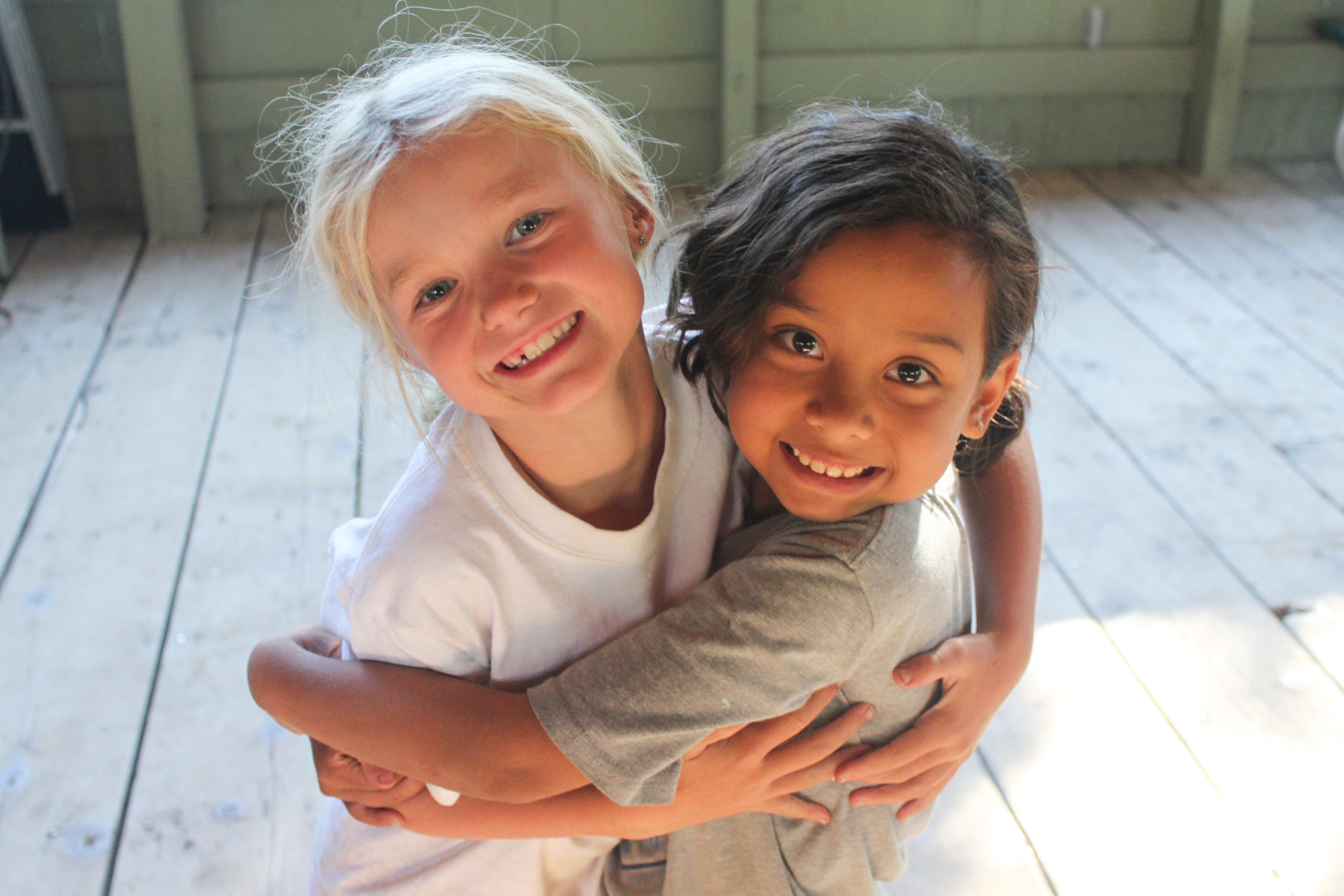
Being considerate of others will take your children further in life than any college degree.
Marian Wright Edelman
Being a considerate, kind person who thinks about others is a character trait that helps children form good relationships and leads to a happier and more successful life as an adult.
What does this mean for super competitive parents who want their children to succeed at all costs, even if it means cheating and being mean to others? It could be helpful for parents to know that research has clearly shown that kind people are happier people, and happier people, in turn, are more successful in life. In jobs and in future relationships, kindness will take our children “further in life than any college degree.”
Focusing on kindness needs to be a higher priority for everyone who cares about children.
In our cut-throat, competitive culture, where assertiveness and achievement are glorified and valued, focusing on developing kindness is often overlooked.
There are anti-bullying posters and speakers at most schools, but where is the message about the powerfully positive impact of kindness?
Parents and youth development professionals, including teachers, coaches, and camp staff, know that wording things positively and telling kids what we DO want them to do is far more effective than a list of “don’ts” and “nos.” So, why hasn’t this message translated into how we teach children to treat one another?
We’re talking with children a lot about not bullying each other, but we’re not talking with them enough about what we want them to be doing instead — which is, of course, to treat each other with respect and kindness. I propose that as parents and youth development professionals we flip the “anti-bullying” message into a “pro-kindness” one.
Ways to model and practice kindness
Get kids to focus on kindnesses that they have seen by asking them to point out kind acts they have witnessed or done.
Brainstorm with kids kind things they can do for others and help them follow through. Focus on small, easy kindnesses rather than huge things.
Talk with kids about how they feel after someone has done something kind for them or after they’ve done something kind for another person.
Questions to Ask Kids to Spur Conversations about Kindness:
• Share something kind they’ve seen someone else do this past week.
• What’s the kindest thing someone has ever done for you?
• What are kind things we can do for our friends? Siblings? Parents? People we don’t know?
• How do you want to be remembered by your classmates and friends?
“You can’t live a perfect day without doing something for someone who will never be able to repay you.”
— John Wooden
This topic is so important to Gold Arrow Camp and to Sunshine that she dedicated an entire chapter of her book, Happy Campers, to it: Camp Secret #8: Make it Cool to be Kind. Each chapter of Happy Campers ends with five different “Bringing Camp Home” activities to consider trying in your family.
More Kindness Ideas & Resources
Read (or listen to) Wonder by R.J. Palacio
One of GAC counselors’ favorite read-aloud books is R.J. Palacio’s Wonder. Consider reading (or listening – Audible version is free right now if you sign up for a free Audible trial) to Wonder individually or as a family read-aloud. Get some popcorn and have a family movie night to watch the movie version after you finish reading.
Back in 2013, we spent an entire summer focusing on our summer theme of kindness. We called it Cool to Be Kind. We talked about why kindness is so important to our friendships and to our own happiness. We even made a fun “Kindness, Too” song (see video from 2013 below and see if you can spot some current GAC staff from their camper days).
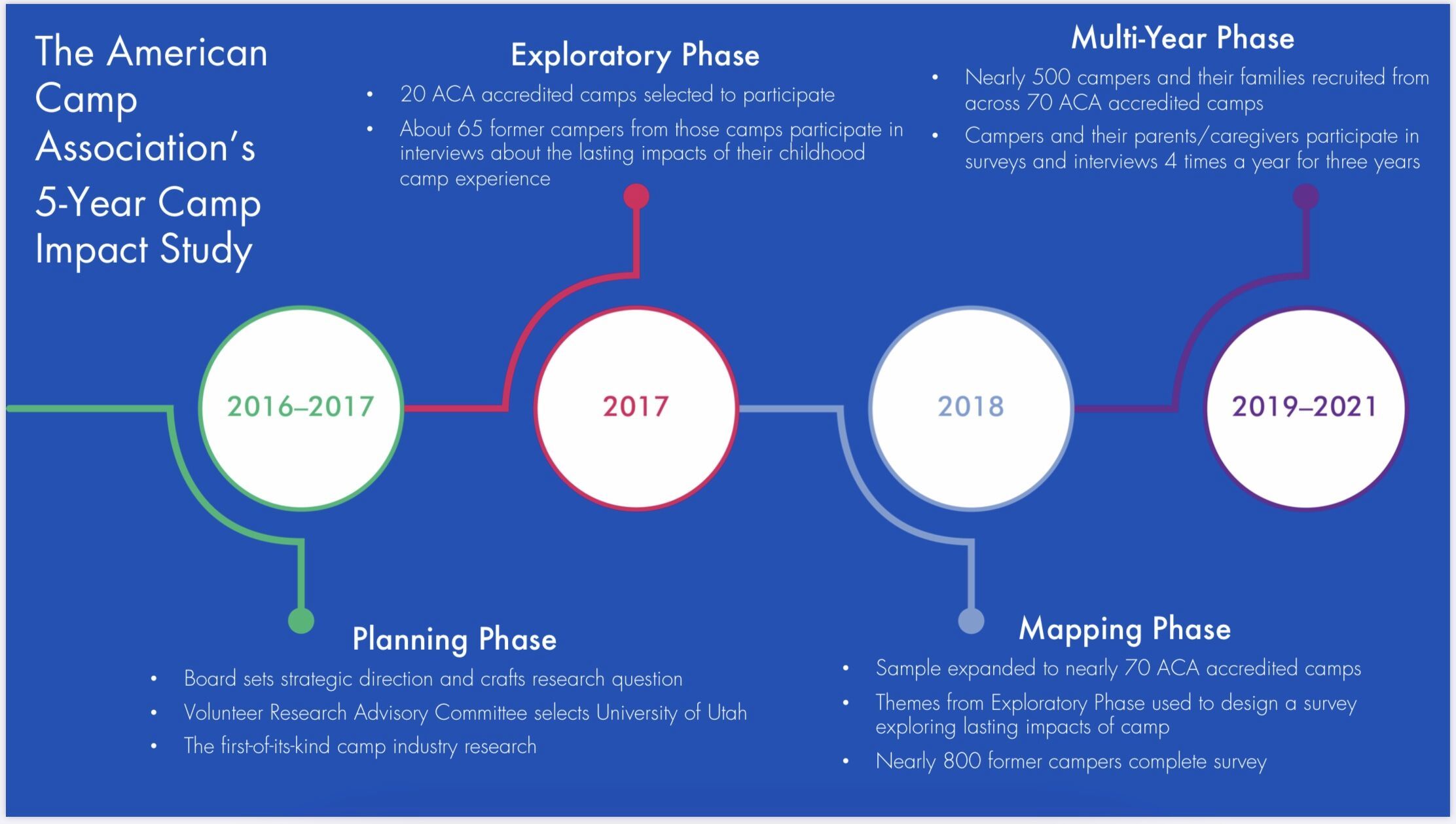
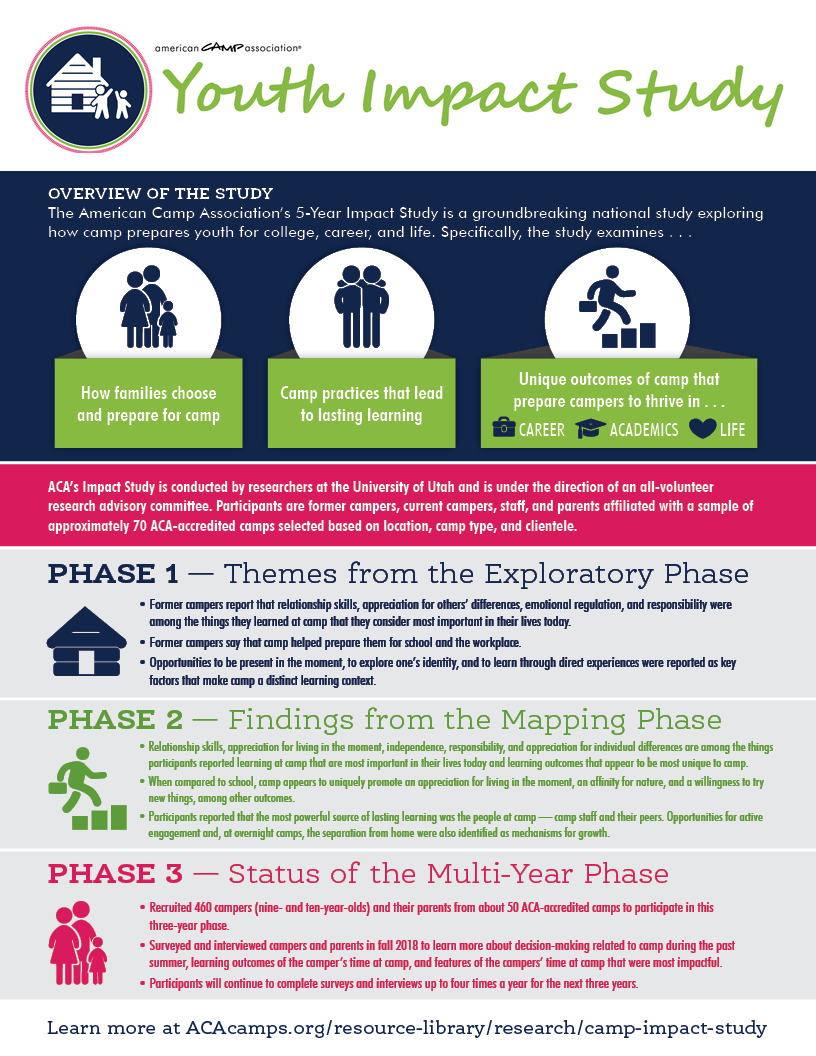
In this episode of the Sunshine Parenting Podcast, I interview Dr. Laurie Browne, Director of Research for the American Camp Association, about the five-year camp impact study being done by an external research team through the University of Utah. The study explores the lasting impacts and the ways camp experiences prepare young people for college, their careers, and their lives beyond camp.
Laurie Browne, Ph.D.
I hope you enjoy this conversation with Laurie and learn more about the incredible research that’s finding that camp truly does have an amazingly positive impact on the development of young people.
BIG IDEAS
The ACA wants to make sure that camps thrive into the next century and that they serving more campers and in better ways.
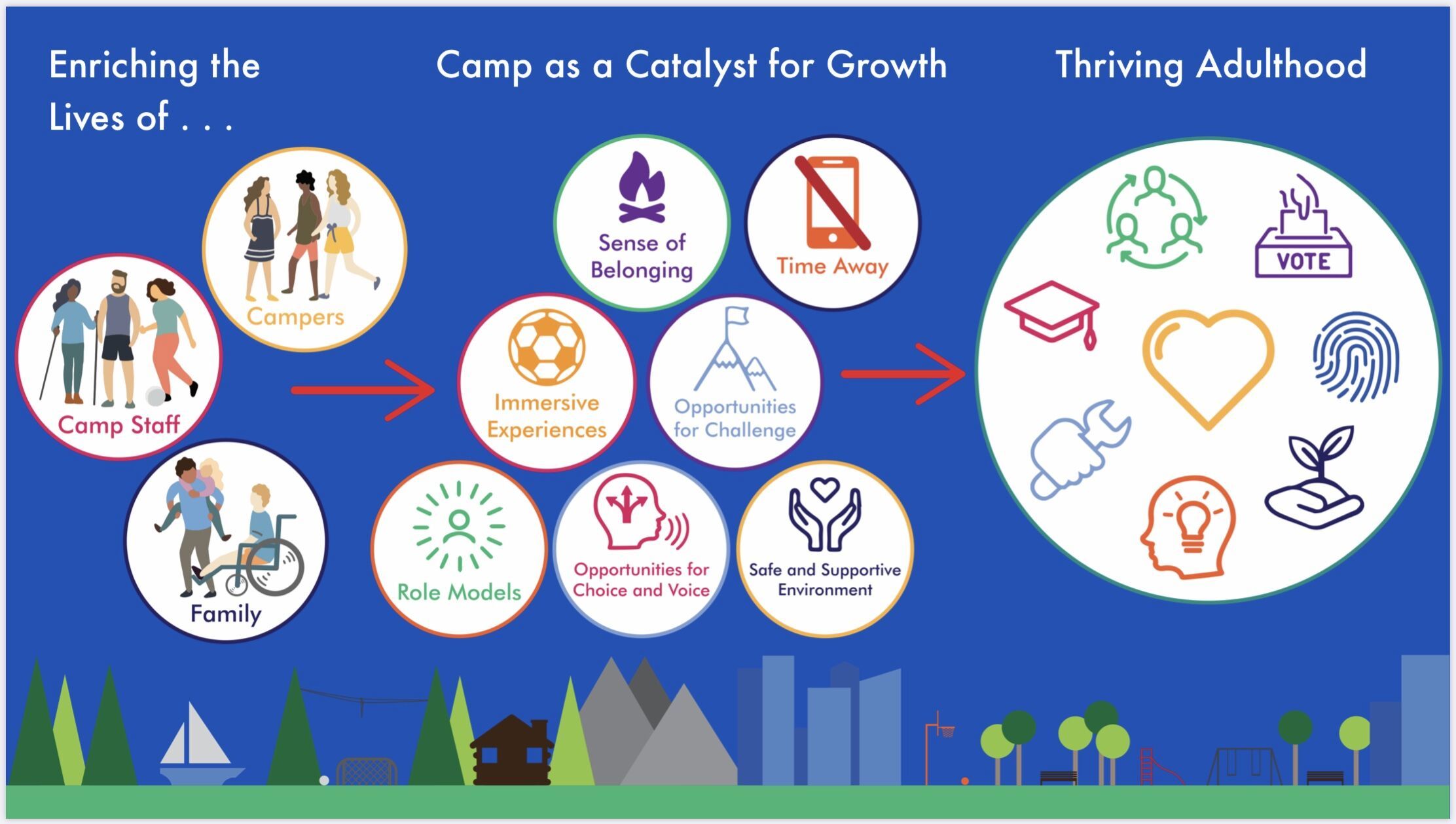
The heart of this five-year study consists of three major components: the youth, the staff, and leadership development. Its objective is to determine the lasting impacts of camp and the interplay between camp, school, home, and future jobs. Through this study of over 500 families, they will identify camp’s role in the “learning landscape”.
The data collection and analysis is being done by an independent research institution outside of the ACA through the University of Utah.
We discuss:
the outcomes and benefits for parents who prioritize camp.
the importance of having other adults to mentor our children, especially the positive influence of camp counselors.
what families and schools can learn from camp
having campers reflect on what they learned at camp so they can apply it to real life situations.
QUOTES
LAURIE: “This is a multi-layered study which builds off itself, starting with qualitative approaches, interviews, and surveys. Then the findings were quantified and a longitudinal study was designed which is tracking campers and their families over time.”
LAURIE: “We’ve known for generations that camp does great things for kids. But I think the environment is far more ready for the type of social, emotional learning related outcomes that camp provides. We’ve known for a hundred years that camp promotes things like relationship skills, but only now we are seeing in the education, mental health, college and career readiness spaces, the value of relationship skills. We have employers saying that is the number one skill they expect in college graduates. That is harder and harder to find.”
AUDREY: “Other places (school, sports) have another focus that is their most important priority (academics, sports skills) but at camp, our number one focus is on the community building, the cultural building, and training our counselors to facilitate friendships and relationships among campers.”
LAURIE: “It all layers on top of one another, the interplay between camp and school and home. All the spaces work together to create a thriving, successful child. And now we know that camp plays a very unique—even critical—role in that overall landscape.”
LAURIE: We’re interested in the family dynamic around camp. How do families choose to go to camp? How do they integrate camp with the other things in their lives? (In this study) parents are emerging as beneficiaries and have their own outcomes relating to camp. We’re specifically having parents share with us the value and benefits to them of sending their kids to camp, day camp and overnight camp. Parents are recognizing that kids come home and in many cases, are more active citizens in the family. So it improves family processes when they send their kids to camp. But specifically, in overnight camp experiences, parents are saying, ‘I’m a better parent. I get some time to connect with my partner, to engage in some of the things I don’t always get to do when I am busy caretaking.’ Then when the kids come back, they are really happy so as a family unit, it brings all kinds of benefits to parents as well.”
AUDREY: “I’ve heard from many parents that it’s almost a relief to know their children are being taken care of. They can relax. They don’t need to be monitoring, following, texting. It’s a much-needed break for parents who feel so much pressure to be so involved with everything. For so many parents who are working and taking care of kids, their lives are so full that what often gets neglected is their own well-being and what brings them happiness.”
AUDREY: “I tell parents to use the time when their kids are at camp to have their own ‘camp’ type of well-being experience: be with your spouse, your friends, do hobbies that you don’t normally have time to do, so that when your kids come home and have all these great things to share about what they’ve done, you can share, too.”
LAURIE: “We have to cultivate happiness by doing things other than work and caregiving. It’s an investment in our own well-being and we are better parents when we make that investment. I think as mothers we feel really inclined to set aside our well-being for our kids. But now there’s so much dialogue around the importance of our time away from kids and to know that your child is thriving because they’re apart from you, is literally one of the findings we are seeing.”
LAURIE: “The opportunity for kids to practice a sense of independence and from that, they can develop a true sense of responsibility and not just that they do their chores but they see themselves as a responsible contributor to their family, to their community and they get to practice that at camp. There are benefits to campers and parents.”
AUDREY: “Even if you don’t send your kids to camp ever, it’s important to find other adults who can mentor your kids because there are some things that your kids either won’t do with you there or will be more tentative about trying. It’s okay for parents to know that you’re not supposed to be able to teach your child everything. That’s why you have teachers at school, sports coaches, camp counselors…So much of who my kids are is because of these amazing role models. How fun for them to get to learn from and interact with other adults. That’s the other lesson that camp can provide for parents: You don’t have to feel like you’re alone in this.”
LAURIE: “Camp counselors are simply younger and more relatable than a lot of the adults that kids encounter in other spaces of their lives. That closeness in age is a really critical opportunity not just for mentorship but for kids to see themselves as an emerging adult. Camp counselors seem attainable. Our staff members are the ones that are really modeling these outcomes, facilitating opportunities to learn and helping those outcomes to stick over time.”
AUDREY: “I think parents looking at camps need to know that you don’t need a fancy facility or fancy equipment. It really is all about the camp counselors—how they treat kids and how focused they are on the kids as their top priority.”
LAURIE: “A culture of caring, a culture of inclusiveness, a culture of belonging is created by all the people combined. We have staff, and then we have campers, but you put all of them together with the traditions and the norms of camp and that creates a culture that in and of itself is so powerful as a mechanism for lasting learning. It’s about intentional culture building around care, safety, and inclusiveness—it’s really what matters.
LAURIE: “What a great opportunity to practice being a member of a community that isn’t their family—especially in adolescence. As kids grow up, they have to be able to see themselves in worlds outside of their homes. That’s a critical part of their developmental process.”
LAURIE: “Kids are making connections between camp and home and school. What a great opportunity for parents, educators and camp professionals to help bring more visibility to those linkages. Help campers identify the connections between them.”
AUDREY: “We have kids reflect before they leave camp about what they’re going to bring home with them. We ask them, ‘what have you learned here that you’re going to use in your life’ and it’s amazing to hear them articulate what they’re going to take back. They learn these great things but they need to take the time to figure out how they’re going to translate this to the rest of their life, the other weeks of the year beyond camp.”
LAURIE: “Research is exciting, but it really doesn’t matter near as much as what really amazing camp professionals are doing with campers and staff. That’s where the magic happens.”
Audrey “Sunshine” Monke, MA, has been the owner of Gold Arrow Camp since 1989 and currently serves as the Chief Visionary Officer. In addition to her vision-casting and mentoring at GAC, Sunshine is an author (Happy Campers: 9 Summer Camp Secrets for Raising Kids Who Become Thriving Adults), podcast host, speaker and coach on the topics of parenting, social skills, and happiness. Find out more at her website, Sunshine Parenting.
Each session at camp, we talk about and practice friendship skills. One skill that is really helpful in making friends is learning to ask questions. Questions help keep a conversation flowing and help us get to know others better. Here’s Sunshine talking about why this is an important social skill our kids need to practice:
We have campers brainstorm – with their cabin groups – two or three questions that would be fun to ask their friends. We type up all of the questions and put them on index cards on large rings for each cabin group. These question rings stay on our dining tables as a helpful tool for campers to connect with one another.
All summer long, we use the questions to spark fun conversations.
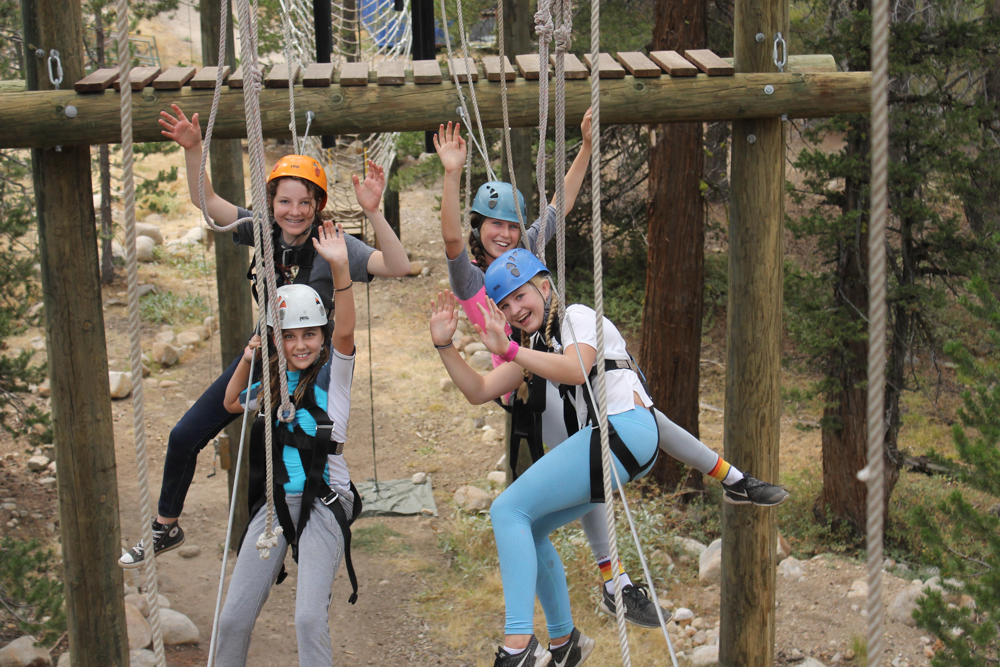
The program at Gold Arrow has been designed to provide campers with a variety of experiences and opportunities while they are at camp. Rather than focusing on skill progression in one area, we feel it is important for campers to be introduced to activities they may not have chosen to do on their own. We strive to create a supportive and encouraging environment in which campers feel comfortable pushing their own boundaries and can learn about themselves as they conquer fears, face challenges, and live in community with others.
Cabin groups are scheduled to participate in activities together for two of the three activity periods each day. During cabin activities, the Group Counselor plays a key role in fostering personal growth in campers. These specialized counselors attend activities with the cabin group and help campers set personal and group goals and hold the group accountable for reaching their goals and encouraging others. Participating in activities as a cabin group allows campers to take risks and push themselves in a safe, supportive environment. Through watching cabin mates overcome fears and accept new challenges, campers learn resilience and empathy. Everyone’s role in the group is necessary, and the Group Counselor serves to build and enhance the supportive community so that the cabin group feels like a family.
The third activity period of the day, called “Free Time,” gives campers an opportunity to sign up for activities as individuals. Campers can try special activities that are only offered during this period or return to an activity they enjoyed with their cabin group.
You can find out more information on activities offered at Gold Arrow Camp here.
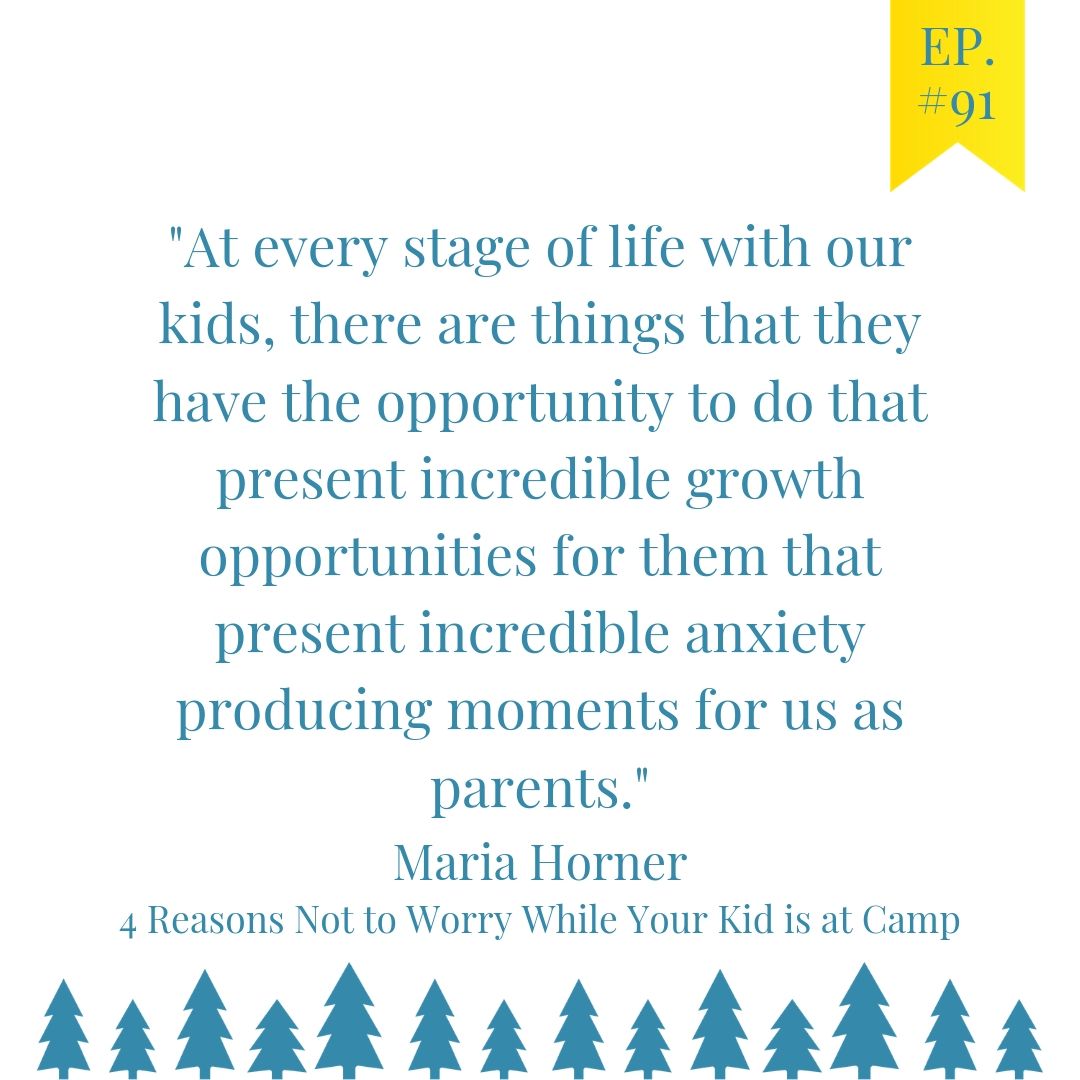
Worrying when our kids are away from us is normal for parents. Every time I’ve ever dropped my kids off for a new adventure without me, I’m excited for them. But I’m also concerned about their safety, secretly wishing they would just STAY HOME, then counting the days until they return. I know it’s not rational (few things about parenting are), but I believe my kids are always safest when they’re home with me.
If you are new to sending your kids to summer camp, let me reassure you that while they are away, you can relax your worrying muscles. I’ve spent more than three decades working at a summer camp, sending my kids to other camps, and participating in the networking and training of summer camp professionals. I know A LOT of camp directors, have visited many camps through the American Camp Association accreditation process, and am a faithful reader of Camping Magazine. I definitely know about camp.
In Episode 91 of the Sunshine Parenting Podcast, I chat with my longtime friend, Camp Owner/Director Maria Horner. Maria and her husband, Tom, have been the executive directors of Catalina Island Camps since 1995. In this episode, we discuss four reasons not to worry while your child is at camp.
Reason #1: Accreditation from the American Camp Association
You have chosen a camp program that’s accredited by the American Camp Association. This means that the camp meets the ACA’s high standards to ensure a safe and nurturing environment for your child.
You have been in touch with the camp director. Always be upfront with any issues your child may be dealing with so that the staff can be prepared to help them. Take time review at all the material that the camp has sent you ahead of time and phone them with any questions you may have.
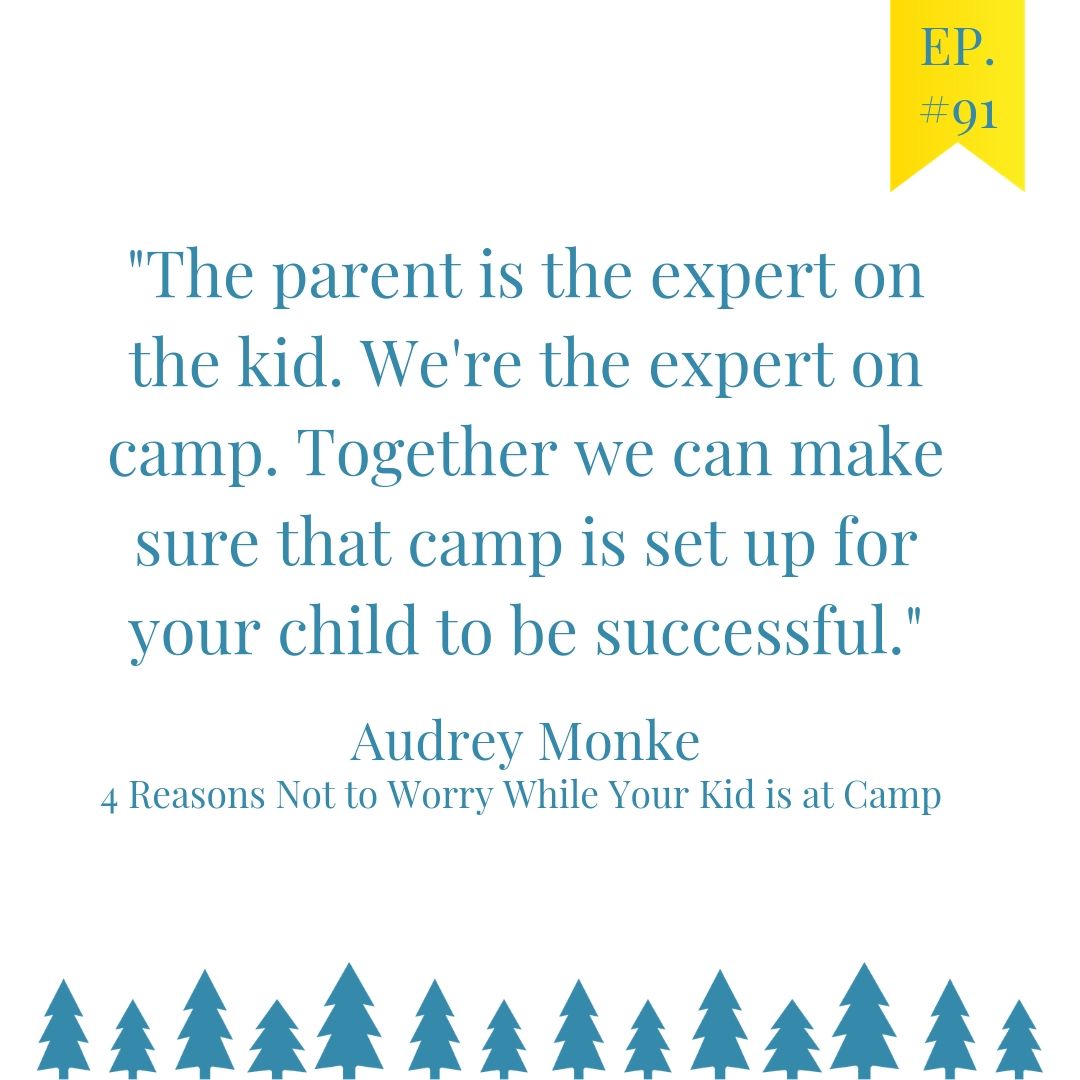
Audrey: “One of the reasons not to worry is actually the amount of training we do with our staff.”
Maria: “You chose an accredited camp, so if you’re coming to my camp, or if you’re going to any other camps in your Happy Campers group, those camps are all accredited by the American Camp Association, which means that those camps care enough to undergo a thorough peer review of its operation. And that includes everything from staff quality and training to emergency management–all things that they’re doing voluntarily to ensure that their program is top notch.”
Maria: “Camp professionals from around the country can volunteer to be what we call standards visitors. So every five years, a team of trained standards visitors go into each accredited camp and observe, both through documentation and practices actually in place, based on the identified standards, to see that the camps are in compliance with all of them.”
Maria: “If you’re going to allow me to take care of your child for two or three or four weeks during the summer, I’d actually think it stranger if you don’t want to talk to me first. I would imagine you would want to know who’s the person in charge of the place where your child’s going to be spending a lot of time. Pick up the phone and actually talk to the person who is running the show.”
Maria: “I really encourage parents to be as upfront and transparent about your child as possible. We can do a lot at our camp and we can do it way more successfully when we know in advance. If we have to spend a few days figuring out what’s going on with the kid, either socially or behaviorally, or even with their food issues, that’s time lost. If we knew that up front, we would be able to meet those needs right from the very beginning.”
Maria: “Get online and watch videos from camp. Besides our promotional videos, we have a program with our go-pro cameras and the kids make videos every summer. And that’s a great way to get an insight into what camp looks like through the eyes of our campers.”
Maria: “I think you really want to focus on the fun when you talk with your child. I think definitely engage your child in conversation to get a sense of their excitement level and if there are things that they are nervous about, you work together to develop strategies for the child to be able to address those.”
Maria: “It’s okay for me to be nervous, as a mom. It’s not okay for me to project that onto my child.”
Audrey: “What I really want parents to communicate to their kids is: ‘Hey, at camp there are all these adults there to help you have a great experience. So if you need anything and I’m not there, here are some people you can talk to: your counselor, the camp director Maria, the head counselors.’ I think that if you look on the website, or call the camp, you can find out who those people are. I think that empowering your kid to talk to those people is really important.”
Audrey: “I do think we are very connected with our kids, which is a good thing and close relationships are fantastic. But the dark side is that it makes it a little harder–when your child’s doing something independent from you–for you to have the separation.”
Maria: “One of the things that I often tell parents is to really take advantage of this opportunity. Consider what it means to have some time either just to yourself or for you and your spouse together. That doesn’t happen very often in the craziness of life and raising children.”
Maria: “We tell kids, it’s okay to miss home when you’re at camp. You can miss home and still have fun at camp at the same time. Those two things aren’t in conflict with one another. The same thing is true for the parent’s side. Of course, you miss your child and worry about them. That’s to be expected. And you can still allow them to have this amazing growth experience, even if you’re a little bit nervous.
Audrey: “Give yourself permission to enjoy yourself. Spend some more time on a hobby you haven’t had time for, go out to dinner, go to movies–there’s nothing wrong with that. And actually, you giving your child the gift of a more relaxed, happier parent when they get home from camp is amazing.”
Maria: “It okay to have an incredible experience not all together. It’s okay to let your child do fun things without you and it’s okay to do fun things without them.”
Audrey: “It’s always this kind of mixed bag; you’re excited for your kid when they have some new adventure or get some great job far away, but then you’re also like, ‘Oh bummer. They’re kind of far away.’ I think always keeping these things in mind that it’s okay to have both feelings.”
Audrey “Sunshine” Monke, MA, has been the owner of Gold Arrow Camp since 1989 and currently serves as the Chief Visionary Officer. In addition to her vision-casting and mentoring at GAC, Sunshine is an author (Happy Campers: 9 Summer Camp Secrets for Raising Kids Who Become Thriving Adults), podcast host, speaker and coach on the topics of parenting, social skills, and happiness. Find out more at her website, Sunshine Parenting.
My single favorite time of day at camp is campfire. Every night each of our 31 cabins has its own campfire unless the cabin is at a social (a campfire with another cabin) or our dance. Why do I love this time of day so much? In part because I love the smell of woodsmoke. In part because it means the day is winding down and I’ll be in bed within the next 3 hours. But mostly because of the magic.
What could be so magical about a campfire? Some logs, some pine needles, a match, and some popcorn. That’s simple and fun, but it isn’t magic.
I beg to differ. I think that the time spent around a campfire is magic. It’s transformational and powerful in the way that nothing else I have experienced in my life is. When a group of 10 friends is gathered around the flickering flames under a blanket of stars they can and will share truths that are more lasting and meaningful than if they were in a game room or around a dining room table.
But why? What is it about the campfire that makes this possible? Well, maybe it isn’t magic. Maybe it’s science. According to a study from the University of Alabama, adults who were exposed to a “fire with sound condition” (a video of a fire with the sound turned on) showed lower blood pressure and increased “prosocial” behaviors (such as smiling, making eye contact and engaging in conversation). And that was a VIDEO of a campfire with an adult by themselves! The authors hypothesize that this is an evolutionary development. They believe that for ancient humans the fire provided warmth and a way to cook, and also signaled the safety of numbers. Our ancient forerunners knew that by being around the campfire they could relax. Even a millennium after we moved indoors, our minds still subconsciously know that a fire is a place where we are safe.
Children need this more than ever today. The pressures of the world increasingly weigh on young people. If they can have an opportunity to feel, like the cavemen of old, relaxed and safe, then they can begin to become their best selves. The campfire is a natural way to do that. As I tell our graduating campers at their Paddle Ceremony, the most meaningful moments of their camp careers probably occurred around a campfire.
Many camps have only occasional campfires, or “flashlight” fires. While there are benefits to that, we know the nightly practice of an actual campfire is important. Our counselors are trained specifically on campfires. The training is far more than how to stack the logs and what the ideal marshmallow looks like. Indeed, they practice in our training how to lead a meaningful discussion around the fire. They lead campers in sharing their highs and lows of the day. They help to facilitate discussions about real life topics that campers are interested in or struggling with.
On our last night of camp, we gather for an all-camp campfire that we call Appreciation Campfire. There are songs and stories and skits. Off to the side of our amphitheater (which we call Big Campfire!), there is a campfire pit, where the logs crackle away merrily. As the night winds down, the flames grow lower and lower. At the end of the night, counselors share their appreciation for their cabins by candlelight as the last embers of the campfire glow.
That’s just a last tiny piece of magic before we go home.
In Episode 98 of the Sunshine Parenting Podcast, Audrey “Sunshine” Monke chats with Tom Rosenberg, CEO of the American Camp Association. Sunshine and Tom talk about research about the positive impact of camp and their joint passion for partnering with parents to bring camp to schools and homes. Tom uses Sunshine’s new favorite word, “camplify,” to describe this spreading of the positive camp message to venues outside of camp.
Topics & Ideas Discussed
There are an estimated 14 million kids going to camps in the U.S. this summer.
Ninety-three percent of American Camp Association camps offer financial aid and scholarships for campers. Parents need to work well in advance to apply for those resources.
Parents can use the ‘Find A Camp’ tool on the American Camp Association’s website to search for the ACA accredited camps. This is a parent’s best assurance that a camp has met the foundational standards of a safe and healthy camp experience for their child.
There are many different kinds of camps. There are camps for specific cultural groups, for kids with a particular medical disorder, for kids with a specific area of interest, and many, many more.
It’s important for parents to visit a summer camp before sending their child to one so that they can see what camp is all about.
At camp, kids have the opportunity to learn to be themselves, make mistakes, learn from those mistakes, and try again.
The American Camp Association website provides wonderful videos and other resources for parents.
Camp helps kids build relationship skills and learn from people with different backgrounds and experiences.
Camp is about positive risk.
The more kids put into their camp experience, the more they get out of it.
People who been camp counselors before becoming teachers or parents really have an advantage when it comes to relating to kids.
Camp techniques work at home too.
On Tuesday, July 20, camps across America will be celebrating Camp Kindness Day.
On July 20, 2021, the camp community will participate in Camp Kindness Day – an event highlighting the practice of intentional kindness that happens every day at American camps. This is an opportunity to raise awareness of the great work that camps are doing to teach kindness in engaging, simple, repeatable, and high impact ways that live on in the daily lives of campers and staff members when they return home.
Focusing on our youth and young adults, Camp Kindness Day will help showcase the commitment of the camp community to fostering the core values of kindness, compassion, generosity, and care, and integrating those values more fully into every aspect of our society. These values are already part of the fabric of the camp experience. We share the mission for our youth to be nurtured, taught, supported, and inspired to grow into our new generation of kind, compassionate, socially-minded, community-oriented citizens.
Camp Kindness Day will allow camps to incorporate into their July 20 programming fun theme-based activities and cooperative games, cool projects, and memorable moments which will celebrate the value and impact of kindness.
About Tom Rosenberg, CEO of the American Camp Association
Tom Rosenberg has a distinguished career in the camp profession and a long resume of service to ACA. He most recently served as the executive director of Camp Judaea in Hendersonville, North Carolina. Prior to Camp Judaea, Tom spent more than two decades with Blue Star Camps in North Carolina, most of those years as a director. Tom is a past national treasurer and board member of the ACA as well as a past board president and treasurer of ACA Southeastern. A founding board member of the North Carolina Youth Camp Association, Tom was awarded the Henderson County Chamber of Commerce’s inaugural Camp Industry Leadership Award as well as the American Camp Association’s National Honor Award and ACA Southeastern’s Distinguished Service Award.
With an educational focus in business, Tom graduated with distinction from the Marshall School of Business at the University of Southern California with an MBA and from the AB Freeman School of Business at Tulane University with a BS in Management. He is also a graduate of ACA’s Camp Director Institute.
Tom melds his experience in the camp profession with business expertise, inspirational vision, successful fundraising experience, professional agility, organizational skills, and strategic focus — attributes that are essential to achieving success as ACA’s President/CEO. We are indeed fortunate to have such a thoughtful, dedicated, and experienced leader who is willing to take his commitment to camp, youth development, and ACA to a greater level. Tom, his wife Pam Sugarman, and their son Daniel live in Atlanta, Georgia.
Inspiring and irresistibly practical! Happy Campers is a post-millennial parenting treasure–brimming with dozens of essential, achievable and transformative parenting strategies. Laugh and cry with Audrey Monke as she masterfully distills a lifetime of professional camp director wisdom that will guide your family to great joy and fun together while becoming more deeply optimistic, communicative, resilient, adaptable, socially competent and emotionally confident. -Tom Rosenberg, American Camp Association
About five years into her parenting journey, our very own Audrey “Sunshine” Monke realized it was time to take some best practices from camp into her home – knowing that connection, positive parenting, fostering independence, grit, and kindness – all things we do at camp – are things that can help build a stronger bond between parents and children at home, and just make life at home more fun! That’s why she wrote Happy Campers: 9 Summer Camp Secrets for Raising Kids Who Become Thriving Adults – to provide a resource parents could use for years to help families connect and thrive.
Let HAPPY CAMPERS serve as a resource to help you better connect with your kids, create a positive family culture, and use through the years to coach your kids to grow their kindness, optimism, grit, responsibility, independence, and friendship skills, the way we do at camp.
Sign up here for immediate access to Happy Campers resources, including Sunshine’s most popular READY FOR ADULTHOOD & SOCIAL SKILLS checklists, Questions for Connection, a Family Meeting Agenda, and a 9-Week Read-Along guide with free, printable resources just in time to kick off your summer!
With this book, parents can bring home the magic of camp and learn all the simple secrets the counselors use to build meaningful relationships that will help your child grow and meet their fullest potential as young adults. Dr. Jim Sears, Pediatrician
Audrey “Sunshine” Monke
Audrey “Sunshine” Monke, MA, has been the owner of Gold Arrow Camp since 1989 and currently serves as the Chief Visionary Officer. In addition to her vision-casting and mentoring at GAC, Sunshine is an author (Happy Campers: 9 Summer Camp Secrets for Raising Kids Who Become Thriving Adults), Host of the Sunshine Parenting podcast, speaker and coach on the topics of parenting, social skills, and happiness. Find out more at her website, Sunshine Parenting.
My shy, quiet nine-year-old went to camp not knowing a soul. Two weeks later, she came home transformed. She blossomed. She made friends, learned a multitude of activities, felt safe, loved, confident, and happy — really, really happy. As hard as it was on me, it was all worth it for her. It was the single best thing I have ever done for her.
-First-time camp parent
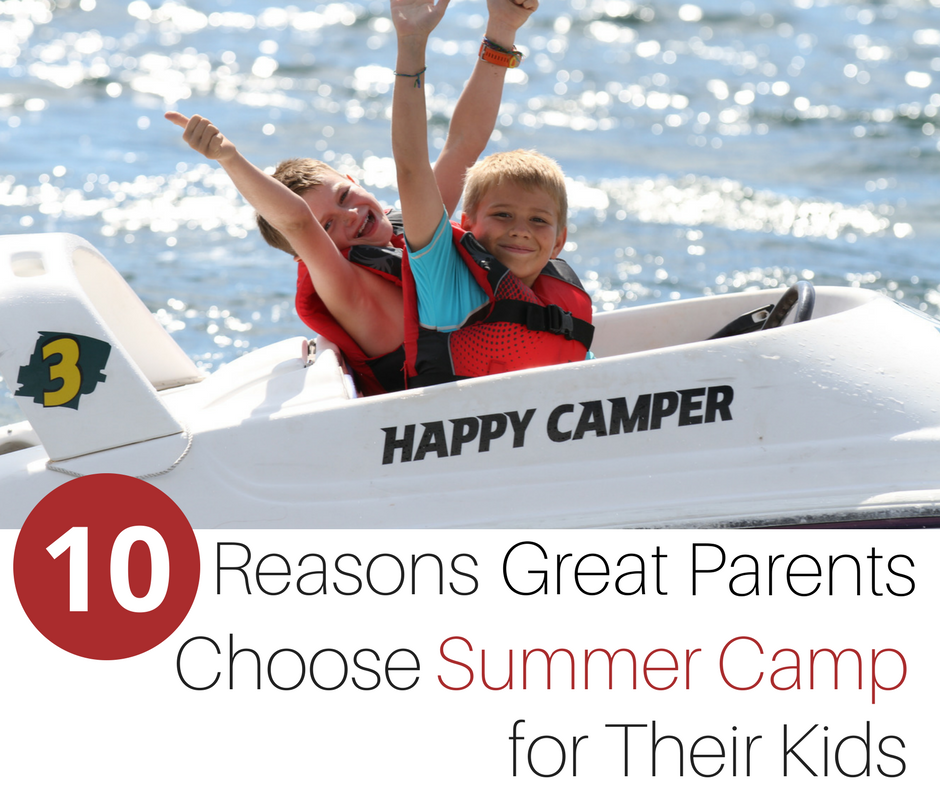
Is your kid going to camp this summer? Congratulations! You’re giving them an experience that may have many life-long, positive benefits. You are giving them the opportunity to grow and develop skills and character traits that are often hard to develop in the comforts of home.
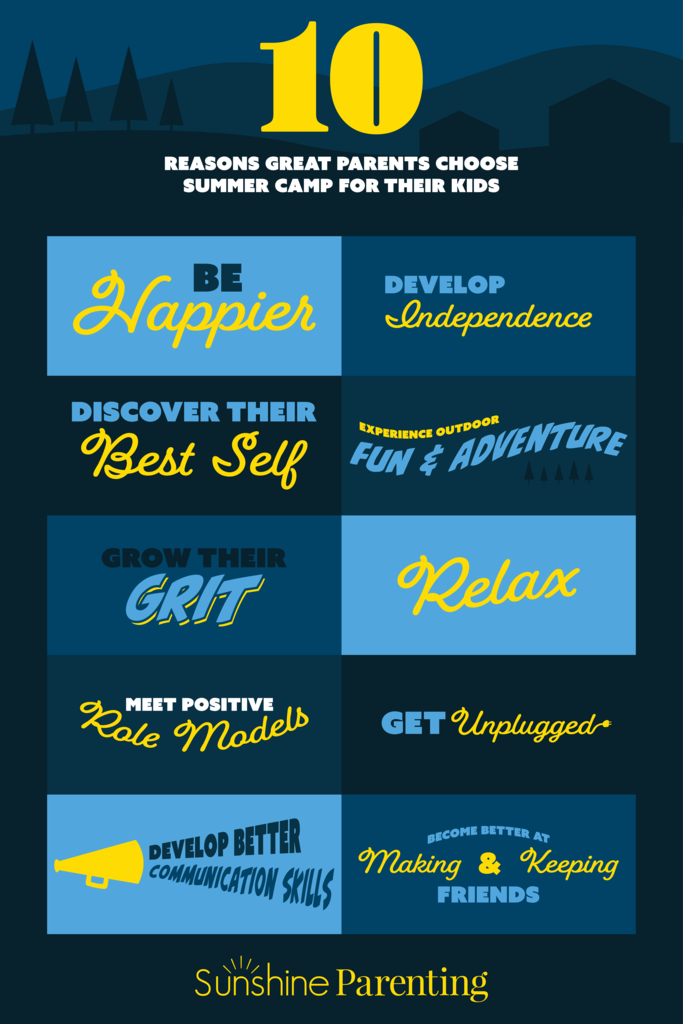
Let this list remind you about some of the many reasons why you are being a great parent by sending your child to camp this summer!
At camp this summer, your child will…
#1 BE HAPPIER
Camp makes me happy and nothing can prepare me for life as well as this environment.
“Come on,” you’re thinking, “How can two weeks in the mountains change my child’s overall happiness level?” Good question. In research I conducted a few years ago, one of the things that both parents and kids agreed was that children feel happier after being at camp. The combination of positive emotions, deep friendships, being disconnected from technology, and just plain fun makes kids feel happier at and after camp. I’ve previously written about how the science of positive psychology may explain why kids flourish at camp and demonstrate increased happiness levels during and after their camp experience. In this era, when we’re seeing our kids suffer from rising rates of depression and anxiety, isn’t it nice to know that there’s a place where kids can go that actually serves as a positive intervention for overall happiness?
#2 DISCOVER THEIR BEST SELF
Being at camp gives me this sense of belonging that I’ve never felt anywhere else.
In many different ways, but all with the same underlying meaning, campers describe camp as a place where they can be themselves. They feel open to saying and being who they really are, not stuck conforming to what’s considered “cool” and “acceptable” in the outside world. Surrounded by a diverse group of friends of different ages and backgrounds, kids develop the ability to explore their own interests and express their own thoughts better.
As a parent, I hate to admit that I sometimes push my own interests on my kids, even when I don’t mean to. For example, I might say, “You’re so good at softball! Don’t you want to keep playing?” when my child says she doesn’t want to play anymore. When kids step away from their regular activities and normal life schedules (as well as their well-meaning but often overly directive parents), they have the opportunity to think through what’s really important to them as individuals.
#3 GROW THEIR GRIT
The counselors challenged me to do things I wouldn’t normally do at home.
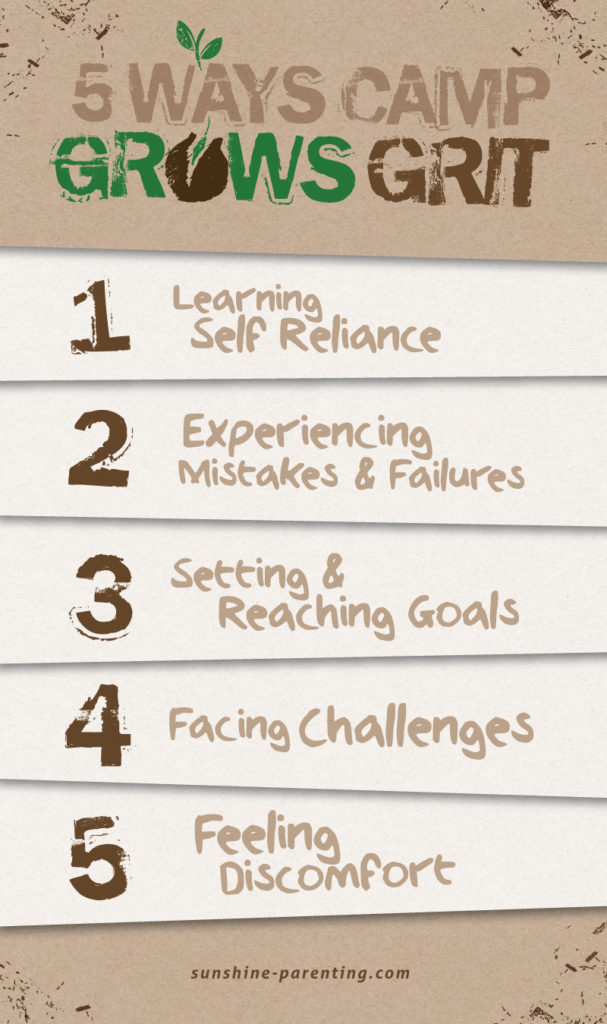
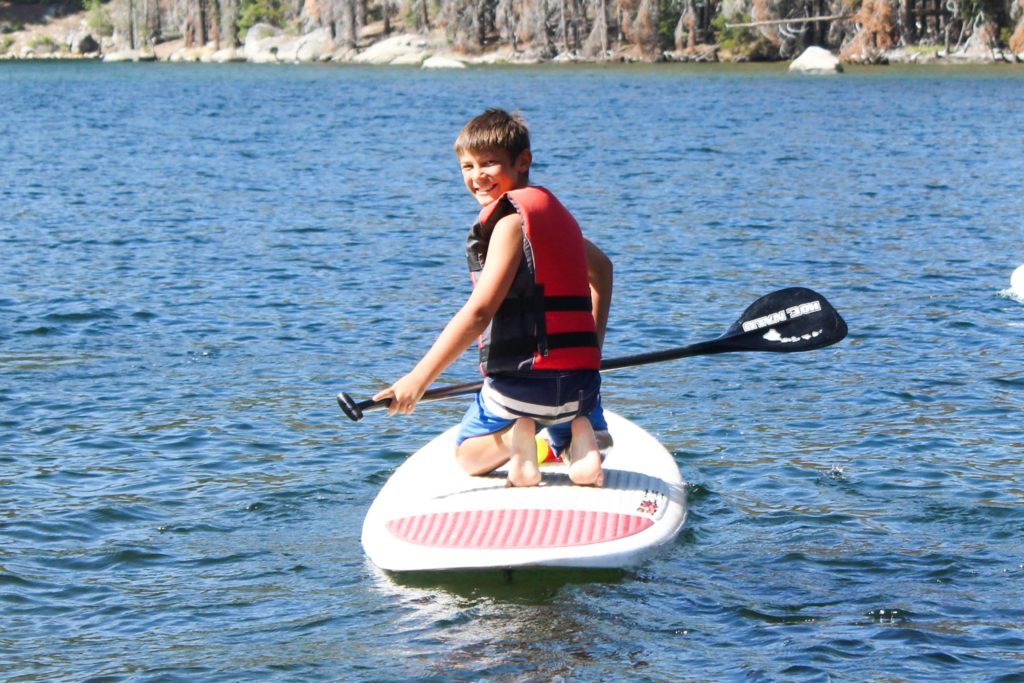
Learning self-reliance, experiencing mistakes and failures, and reaching for goals are all camp experiences that help campers develop their grit, an important character trait that we’ve learned is critical to success in life. Camp offers a unique experience to children – the chance to be away from their parents for a short period of time and learn to handle more things on their own. Without parents to step in and assist, or rescue from mistakes, kids develop confidence in their own ability to make decisions and solve problems. Just being “on their own” is a huge confidence builder for kids, and they feel more self-reliant after being responsible for themselves and their belongings for a few weeks.
#4 MEET POSITIVE ROLE MODELS
Camp has made me into a leader, having the best role models as my counselors to look up to.
One of the best things that happens at camp is that kids get exposed to a different kind of adult role model than what they see in the media. No reality TV stars will be gracing the waterfront or backpacking trips at summer camp. No perfectly coiffed and stick-thin model will be standing next to them brushing teeth in the bathroom. No macho guy who speaks disrespectfully about women will be leading the campfire discussion. In fact, the college students who choose to spend their summer working at camp are an outstanding bunch of young adults. Most are stellar students with outstanding leadership skills. They love the outdoors and working with kids, and they are the kind of people we want our kids to emulate. They love leading discussions on topics that are important to their campers and helping them build confidence. There’s no focus on appearance at summer camp, and so designer clothes, makeup, and trendy hair-styles don’t hold the same importance that they do at junior high or high school. In fact, the predominant style at camp is pajama pants paired with dirt and sweat-stained t-shirts. And we hardly ever spend time in front of a mirror.
#5 DEVELOP BETTER COMMUNICATION SKILLS
The other part of camp that has influenced me the most is the simple idea of trying to always smile.
In post-camp surveys, campers consistently write about how ditching their electronics was one of the best things about their camp experience. In fact, it’s a practice they take home with them, setting aside phones during meals with friends so they can connect more genuinely, face-to-face. In the absence of technological tethers, campers have many hours each day to practice these face-to-face communication skills. They learn the importance of things like eye contact, smiles, and body language as they positively interact with their peers. Counselors help facilitate lively discussions, and campers learn to ask each other questions, listen more carefully, and figure out common interests. Kids learn and practice valuable communication skills at camp, which they can use throughout their lives.
#6 DEVELOP INDEPENDENCE
Going to camp has made me even more independent and a much better people-person. I am able to go confidently up to someone and introduce myself, or hang out with someone new because of my time at camp.
You are giving your child the opportunity to live and thrive without being with you and under your constant scrutiny. The growth in confidence and independence happen at camp BECAUSE you are not there. Read more about why camp experiences help kids develop independence in Parking Your Helicopter.
#7 EXPERIENCE OUTDOOR CHILDHOOD FUN & ADVENTURE
I have so many fond memories of camp that I can’t choose a particular one. However, some of my favorites memories include sleeping under the stars, doing fun activities, and spending time with friends.
You are giving your child the gift of magical childhood memories – dirt, adventure, story, and joke-filled days and nights spent with friends outdoors, under the stars, and around the campfire. These childhood memories will last forever. And, as Michael Thompson, PhD, so eloquently states, “Our sweetest childhood memories do not include adults.”
#8 RELAX
The atmosphere is so relaxed.
You are giving your child a break from the pressures and stress of competitive sports, school, and you. Forgive me if that offends, but I, too, am a well-meaning but over-involved parent who provides just a bit too much advice, feedback, and guidance to my children. Our kids need a break from our well-intentioned involvement in their lives.
#9 GET UNPLUGGED
Camp has helped me appreciate nature and the outdoors a lot more than I think I would have if I didn’t go. I can go without my phone or connection to social media awhile, because camp has shown me that amazing stuff happens when you put your phone down and have a nice conversation with someone.
You are giving your child the chance to unplug and connect face-to-face with other kids and positive young adult role models.
#10 BECOME BETTER AT MAKING AND KEEPING FRIENDS
I feel like I have become a kinder person and am better at making friends because of camp.
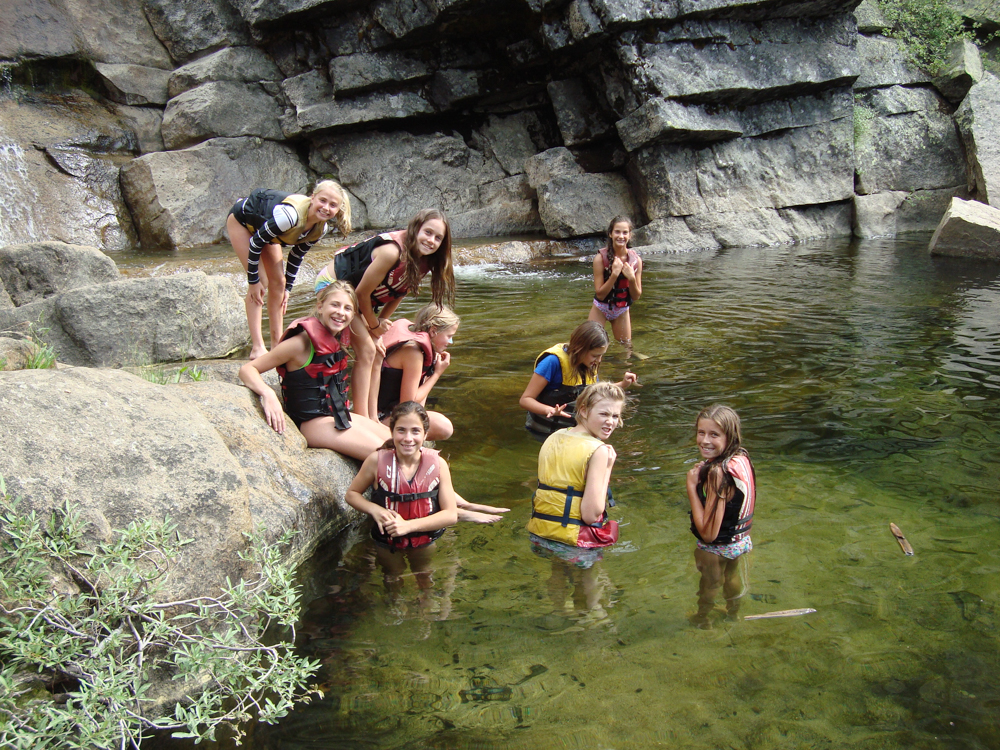
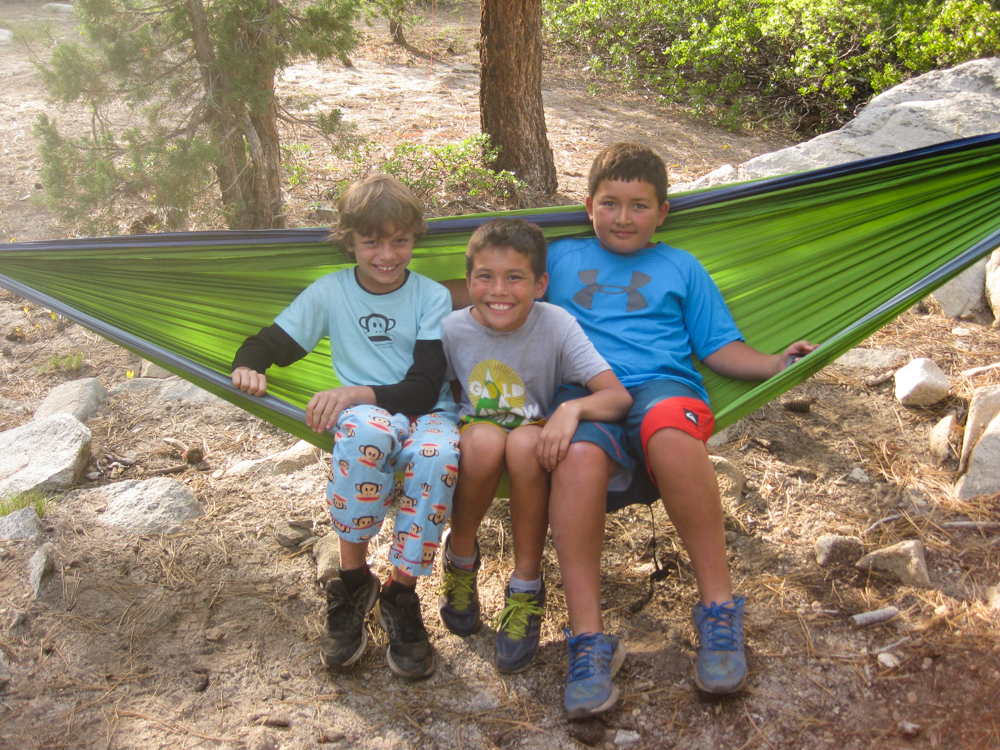
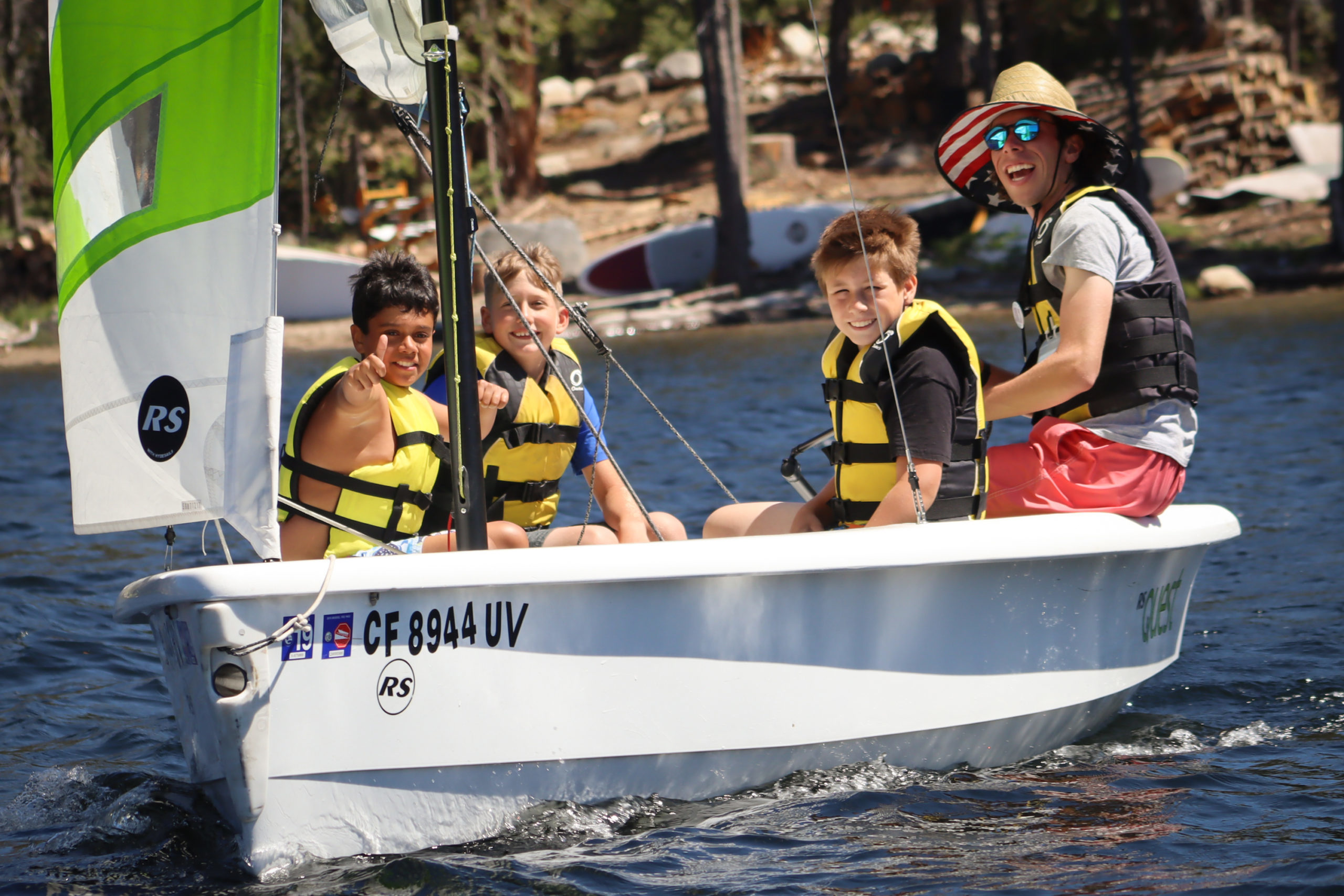
The bonding and friendships that happen at camp are different from those that occur at school and on sports teams. The intensity of living together and experiencing life together, without distractions, creates the ideal setting to form life-long friendships and really get to know people well. Read more about camp friendships.
So, if people ever question your decision to send your young child to a traditional, longer camp stay this summer, let them know that it’s hard for you to let your child go, but that you’re giving your child a gift that will have more impact than any material item you’ve ever given.
There you have it! Ten of the reasons that great parents send their kids to camp! Don’t you feel good about your decision?
Audrey “Sunshine” Monke, MA, has been the owner of Gold Arrow Camp since 1989 and currently serves as the Chief Visionary Officer. In addition to her vision-casting and mentoring at GAC, Sunshine is an author (Happy Campers: 9 Summer Camp Secrets for Raising Kids Who Become Thriving Adults), podcast host, speaker and coach on the topics of parenting, social skills, and happiness. Find out more at her website, Sunshine Parenting.
“It turns out that grit predicts performance better than IQ or innate talent. Grit makes our kids productive and successful because it allows them to reach their long-term goals despite life’s inevitable setbacks. This ability to overcome challenges makes them stronger and more masterful at their tasks. Moreover, the ability to cope with difficulty – to be resilient – paves the way for long-term happiness.” -Christine Carter, “Why I Send my Kids to Camp: It Grows their Grit”
#1 Learning self-reliance grows grit.
Campers learn to do more things for themselves when Mom or Dad aren’t around to clean up, make decisions, solve problems, intervene with social challenges, and remind kids about appropriate outerwear for a cold evening.
With counselors alongside for support, camp is a great place for kids to develop independence and self-reliance, which in turn increases their confidence.
Counselors will coach campers to be responsible for themselves and their things, but they will not tidy up campers’ bunks or dress them in warm sweatshirts. Learning to do more things for themselves – and seeing that they CAN do things without their parents’ help – grows campers’ grit.
#2 Experiencing mistakes and failures grows grit.
So often, parents step in and stop a failure before it occurs; how often have we rescued a homework assignment left behind on the desk or put the finishing touches on a procrastinated science board project? It’s just really hard to stand there and watch our children crash and burn when we know the easy fix, usually involving our intervention.
Unfortunately, by not allowing our kids to feel the pain of the forgotten assignment or the sting of the lackluster science board, we deprive them the chance to LEARN from their mistakes and NOT MAKE THEM AGAIN. Instead, they learn about “parental rescue,” which is not something we want our children to take with them into adulthood. At camp, kids make mistakes all the time and are actually encouraged to fail (which is viewed as nothing more than a first attempt in learning).
A camper forgets his water bottle? He walks back to the cabin with a buddy to get it. A camper didn’t hang up her towel after activity? She takes that same damp, icky towel to her next water sport. At camp, independently fixing mistakes and persevering through failures are celebrated. Campers are learning from these mistakes, and they are also growing their grit.
#3 Talking about, setting, and reaching goals grows grit.
At camp, kids have the opportunity to reinvent themselves and tell their own stories. Counselors encourage campers to talk about what they want to learn at camp, new skills they want to acquire, and specific goals they have for the camp session. These goals become a guidepost and motivation for campers as they move through camp, and whether they reach or almost-reach a goal, they grow through challenging themselves to try.
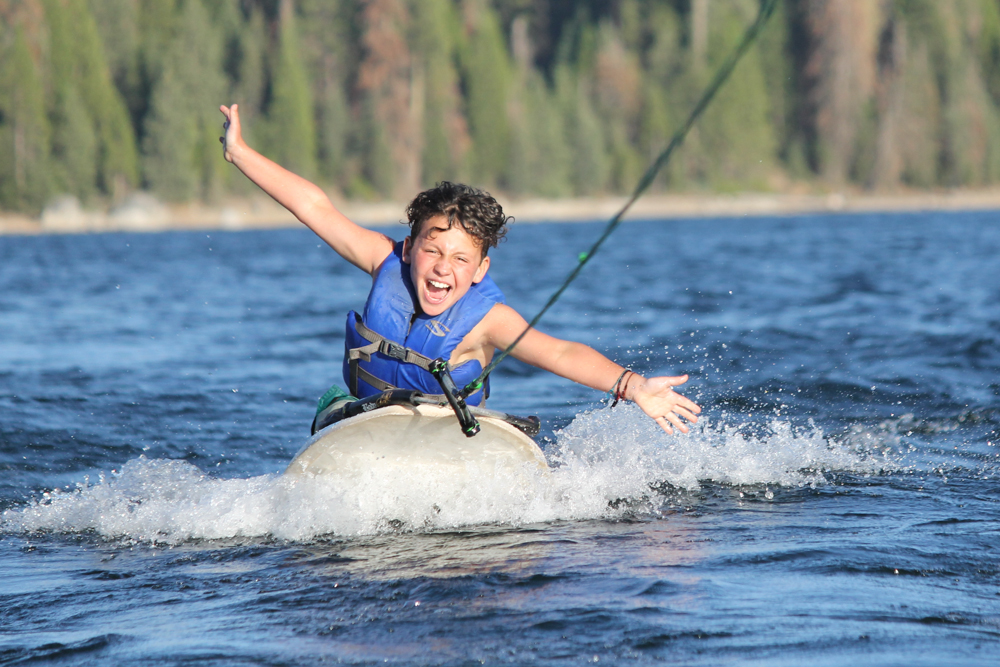
Water skiing—the first activity I taught at camp as a counselor—is a great example of how kids grow grit at camp. Frankly, waterskiing isn’t much fun for first-timers; in fact, it takes most people a lot of practice and effort just to get on top of the water, and most don’t make it to standing because they give up too early. But those who keep trying often discover a rewarding payoff.
In the same way, campers experience amazing gratification when they overcome a fear of heights or break through their shyness when talking to new people. Even pooping in the woods for the first time is celebrated as an accomplishment at camp! And each of these goals reached, big or small, grows grit.
#4 Facing new challenges grows grit.
In addition to specific activity or social skills goals, there are many new things campers experience that aren’t necessarily challenges, but they can be for some kids. Campers are faced with many new, unfamiliar things at camp: a new place to sleep, new people, new activities, new foods, and a new view, to name a few.
If you studied abroad during college, you know that living in a new country and navigating the culture grows your grit. For many kids, going to camp is like that. For an only child, living in close quarters with eight or nine other kids is a completely new experience. It may or may not be challenging, but it’s different and needs to be navigated. And every new experience, whether easy or difficult, grows the confidence kids have in themselves about approaching OTHER new experiences. And that grows their grit.
#5 Feeling emotional and physical discomfort grows grit.
Many campers feel some degree of emotional discomfort while away from home. Because of this, some parents will never send their kids to camp. Those parents simply can’t handle the idea of their child going through any kind of distress.
But those of us who have experienced how camp positively impacts our kids know that it’s the difficult, uncomfortable stuff that helps them grow. The most common emotional discomfort at camp is homesickness, and it’s especially painful and daunting for anxious kids. Homesickness is very real, but it can be a huge source of growth once the camper figures out how to overcome the emotions and successfully complete camp. I don’t know of any other setting where kids can be coached through a difficult time and emerge invigorated, proud, and wanting to do it again.
The physical discomforts of camp are also real. Parents may not want to hear about (and probably couldn’t handle themselves) the hardships involved in a big lightning storm, a frigid mountain night, a steep uphill hike, or lake water so cold it makes your teeth chatter. But these things are good for campers, who often don’t experience much physical discomfort at home. Campers speak with pride about the emotional and physical challenges they face and overcome at camp. And those experiences—maybe more than anything else—grow grit.
Audrey “Sunshine” Monke, MA, has been the owner of Gold Arrow Camp since 1989 and currently serves as the Chief Visionary Officer. In addition to her vision-casting and mentoring at GAC, Sunshine is an author (Happy Campers: 9 Summer Camp Secrets for Raising Kids Who Become Thriving Adults), podcast host, speaker and coach on the topics of parenting, social skills, and happiness. Find out more at her website, Sunshine Parenting.
This website uses cookies to improve your experience. If you would like to adjust the cookie settings for this page, please click "cookie settings". Cookie settingsACCEPT
Privacy & Cookies Policy
Privacy Overview
This website uses cookies to improve your experience while you navigate through the website. Out of these cookies, the cookies that are categorized as necessary are stored on your browser as they are essential for the working of basic functionalities of the website. We also use third-party cookies that help us analyze and understand how you use this website. These cookies will be stored in your browser only with your consent. You also have the option to opt-out of these cookies. But opting out of some of these cookies may have an effect on your browsing experience.
Necessary cookies are absolutely essential for the website to function properly. This category only includes cookies that ensures basic functionalities and security features of the website. These cookies do not store any personal information.
Any cookies that may not be particularly necessary for the website to function and is used specifically to collect user personal data via analytics, ads, other embedded contents are termed as non-necessary cookies. It is mandatory to procure user consent prior to running these cookies on your website.



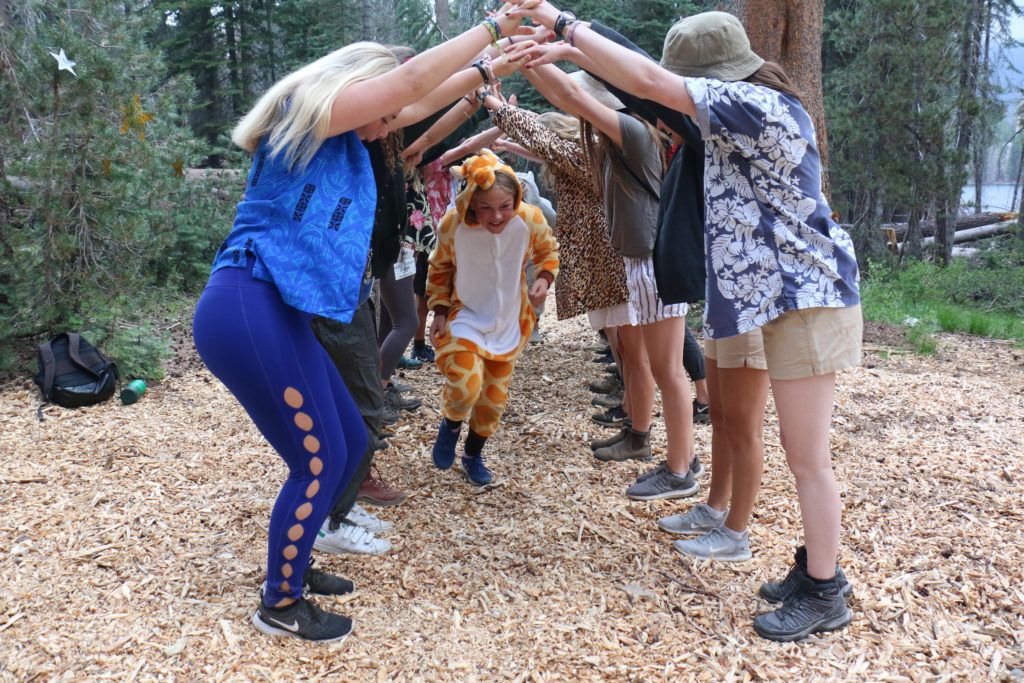


 counselors attend activities with the cabin group and help campers set personal and group goals and hold the group accountable for reaching their goals and encouraging others. Participating in activities as a cabin group allows campers to take risks and push themselves in a safe, supportive environment. Through watching cabin mates overcome fears and accept new challenges, campers learn resilience and empathy. Everyone’s role in the group is necessary, and the Group Counselor serves to build and enhance the supportive community so that the cabin group feels like a family.



 Tom Rosenberg has a distinguished career in the camp profession and a long resume of service to ACA. He most recently served as the executive director of Camp Judaea in Hendersonville, North Carolina. Prior to Camp Judaea, Tom spent more than two decades with Blue Star Camps in North Carolina, most of those years as a director. Tom is a past national treasurer and board member of the ACA as well as a past board president and treasurer of ACA Southeastern. A founding board member of the North Carolina Youth Camp Association, Tom was awarded the Henderson County Chamber of Commerce’s inaugural Camp Industry Leadership Award as well as the American Camp Association’s National Honor Award and ACA Southeastern’s Distinguished Service Award.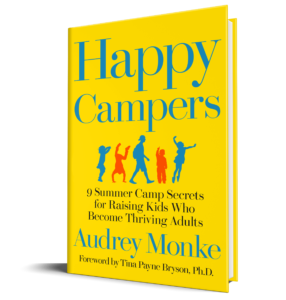

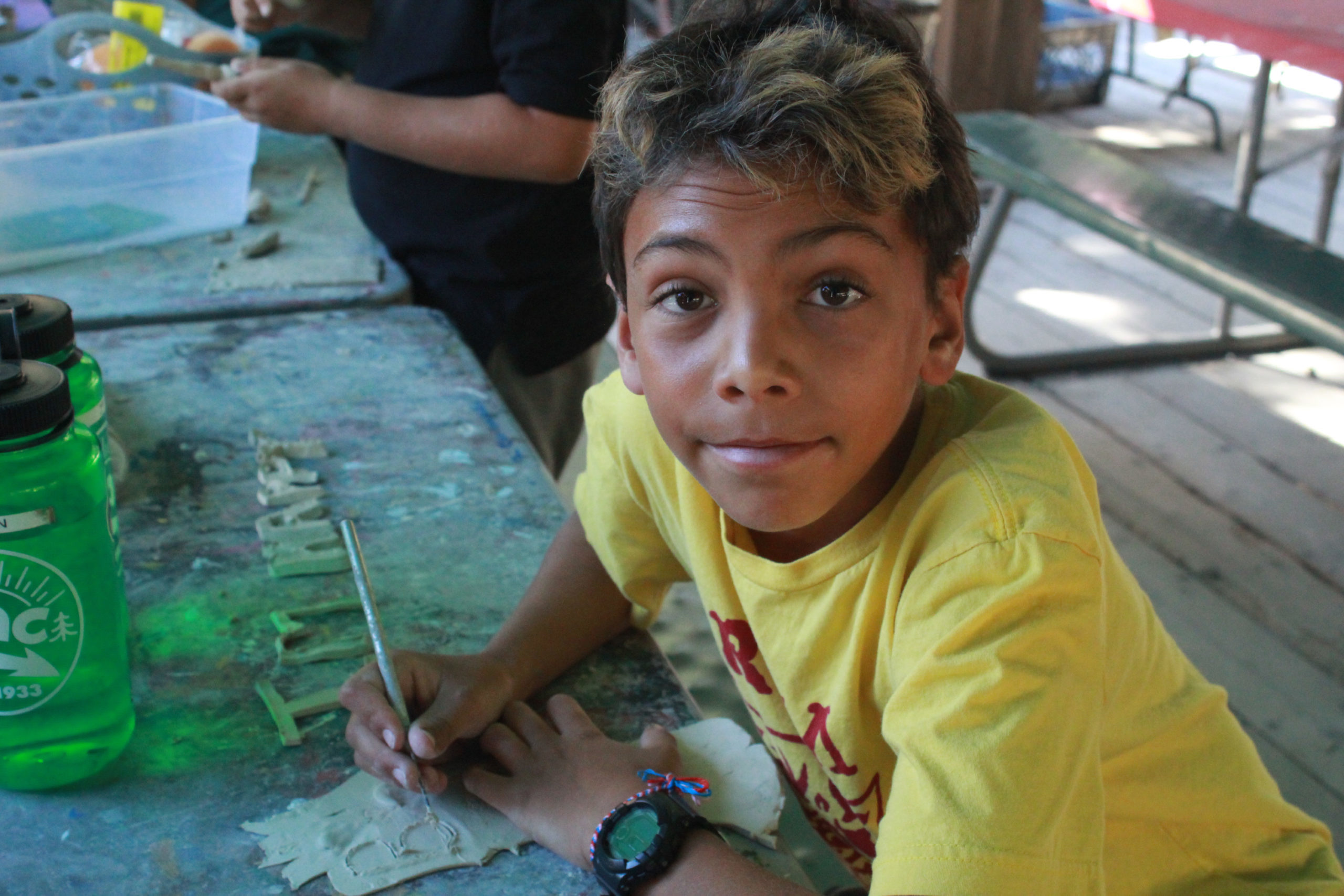 #3 GROW THEIR GRIT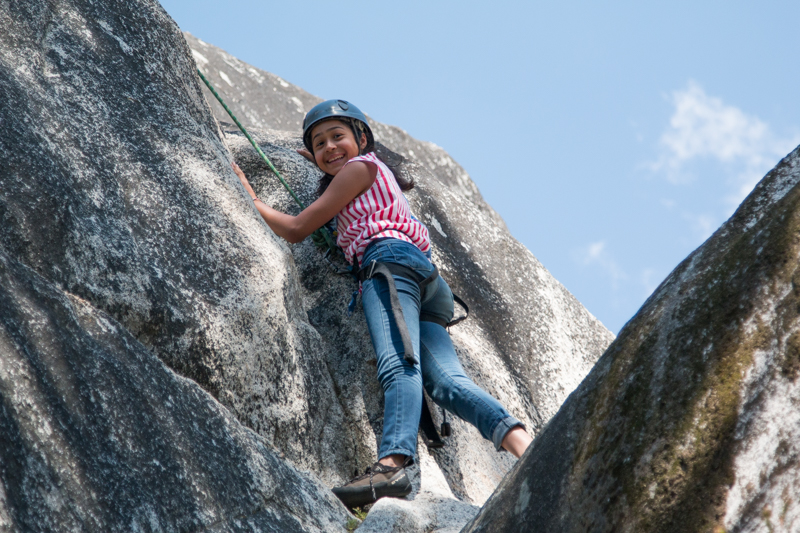
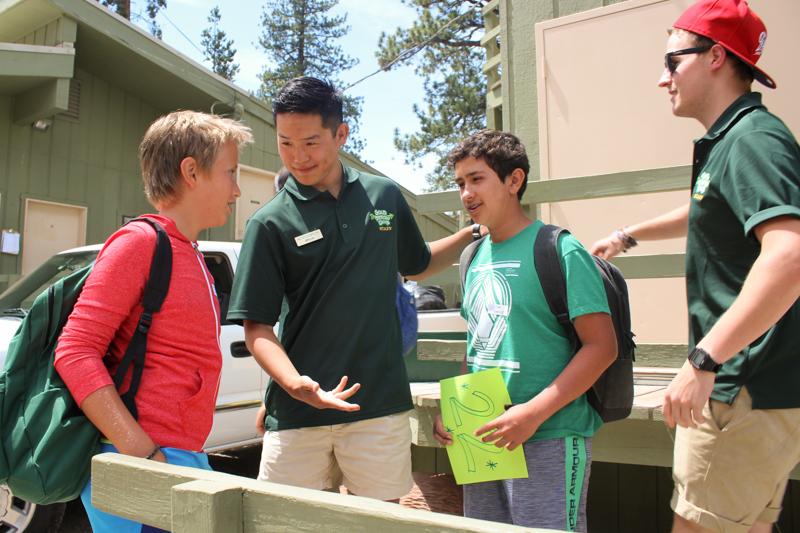
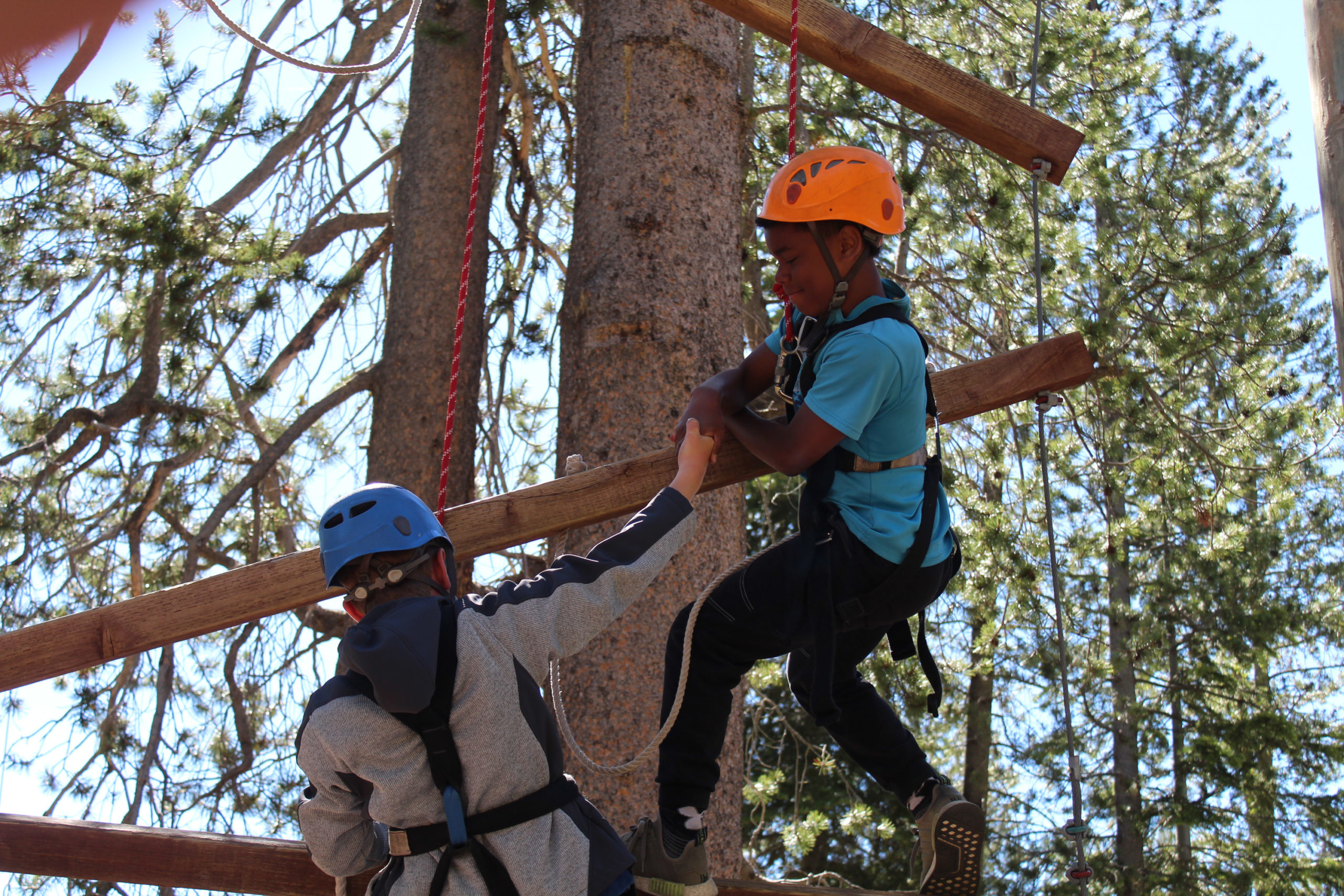 #6
#6 
 #10 BECOME BETTER AT MAKING AND KEEPING FRIENDS