
Whadda Day! June 28, 2021
Today’s Whadda Day! features Cabin 0 before they departed for Shaver.
Read more about today’s friendship skill!
Podcast: Play in new window | Download
Subscribe: Spotify | Email | RSS
Whadda Day! June 27, 2021
It’s the first day of Session 1, 2021! This is WHADDA DAY!
Podcast: Play in new window | Download
Subscribe: Spotify | Email | RSS
HAPPY CAMPERS is now on Audible!
 LISTEN TO “THE MAGIC OF CAMP,” AN EXCERPT FROM HAPPY CAMPERS.
Inspiring and irresistibly practical! Happy Campers is a post-millennial parenting treasure–brimming with dozens of essential, achievable and transformative parenting strategies. Laugh and cry with Audrey Monke as she masterfully distills a lifetime of professional camp director wisdom that will guide your family to great joy and fun together while becoming more deeply optimistic, communicative, resilient, adaptable, socially competent and emotionally confident.
-Tom Rosenberg, American Camp Association
About five years into her parenting journey, our very own Audrey “Sunshine” Monke realized it was time to take some best practices from camp into her home – knowing that connection, positive parenting, fostering independence, grit, and kindness – all things we do at camp – are things that can help build a stronger bond between parents and children at home, and just make life at home more fun! That’s why she wrote Happy Campers: 9 Summer Camp Secrets for Raising Kids Who Become Thriving Adults – to provide a resource parents could use for years to help families connect and thrive.
We are excited to announce that, just in time for summer, Sunshine’s book Happy Campers: 9 Summer Camp Secrets for Raising Kids Who Become Thriving Adults is now available from Audible! Download your copy today and learn how to bring the fun of camp into your home!
Let HAPPY CAMPERS serve as a resource to help you better connect with your kids, create a positive family culture, and use through the years to coach your kids to grow their kindness, optimism, grit, responsibility, independence, and friendship skills, the way we do at camp.
Sign up here for immediate access to Happy Campers resources, including Sunshine’s most popular READY FOR ADULTHOOD & SOCIAL SKILLS checklists, Questions for Connection, a Family Meeting Agenda, and a 9-Week Read-Along guide with free, printable resources just in time to kick off your summer!
With this book, parents can bring home the magic of camp and learn all the simple secrets the counselors use to build meaningful relationships that will help your child grow and meet their fullest potential as young adults.
Dr. Jim Sears, Pediatrician

Audrey “Sunshine” Monke, MA, has been the owner of Gold Arrow Camp since 1989 and currently serves as the Chief Visionary Officer. In addition to her vision-casting and mentoring at GAC, Sunshine is an author (Happy Campers: 9 Summer Camp Secrets for Raising Kids Who Become Thriving Adults), Host of the Sunshine Parenting podcast, speaker and coach on the topics of parenting, social skills, and happiness. Find out more at her website, Sunshine Parenting.
Visit Sunshine Parenting for more resources for raising kids who become thriving adults.
Whadda Day! June 20, 2021
It’s the HAPPY FATHER’S DAY edition of Whadda Day, featuring some of the Shaver Watersports Specialty Campers!
Podcast: Play in new window | Download
Subscribe: Spotify | Email | RSS
Whadda Day! June 13, 2021
It’s the first day of GAC 2021. Cabin 28 kicks off Whadda Day!
Podcast: Play in new window | Download
Subscribe: Spotify | Email | RSS
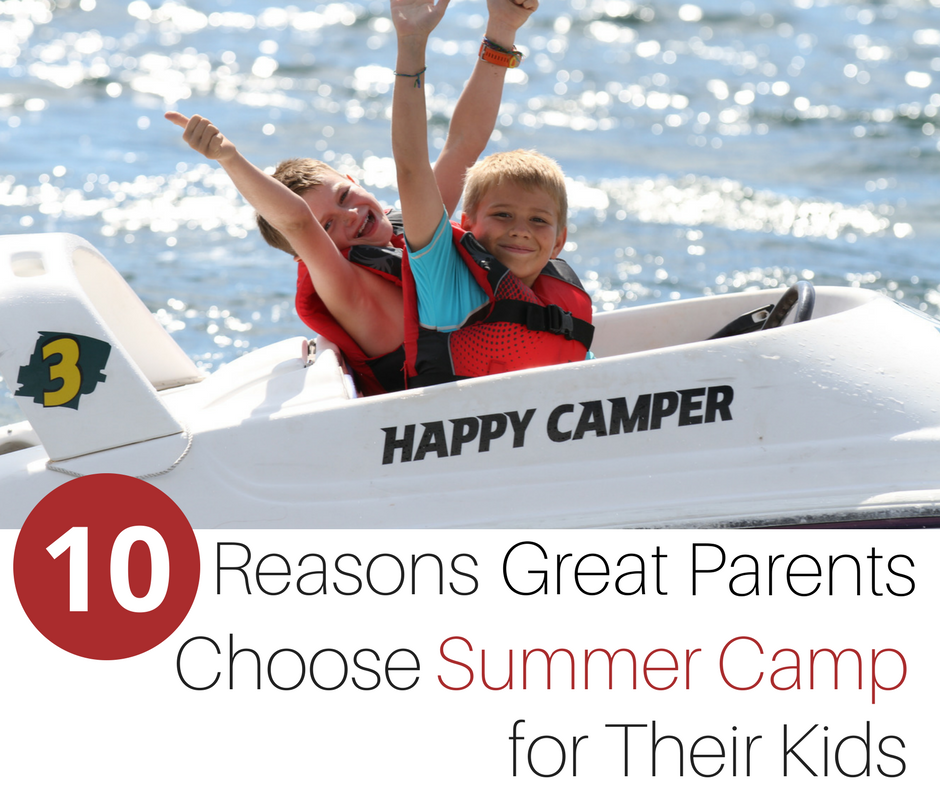
10 Reasons GREAT Parents Choose Summer Camp for their Kids
My shy, quiet nine-year-old went to camp not knowing a soul. Two weeks later, she came home transformed. She blossomed. She made friends, learned a multitude of activities, felt safe, loved, confident, and happy — really, really happy. As hard as it was on me, it was all worth it for her. It was the single best thing I have ever done for her.
-First-time camp parent
Is your kid going to camp this summer? Congratulations! You’re giving them an experience that may have many life-long, positive benefits. You are giving them the opportunity to grow and develop skills and character traits that are often hard to develop in the comforts of home.
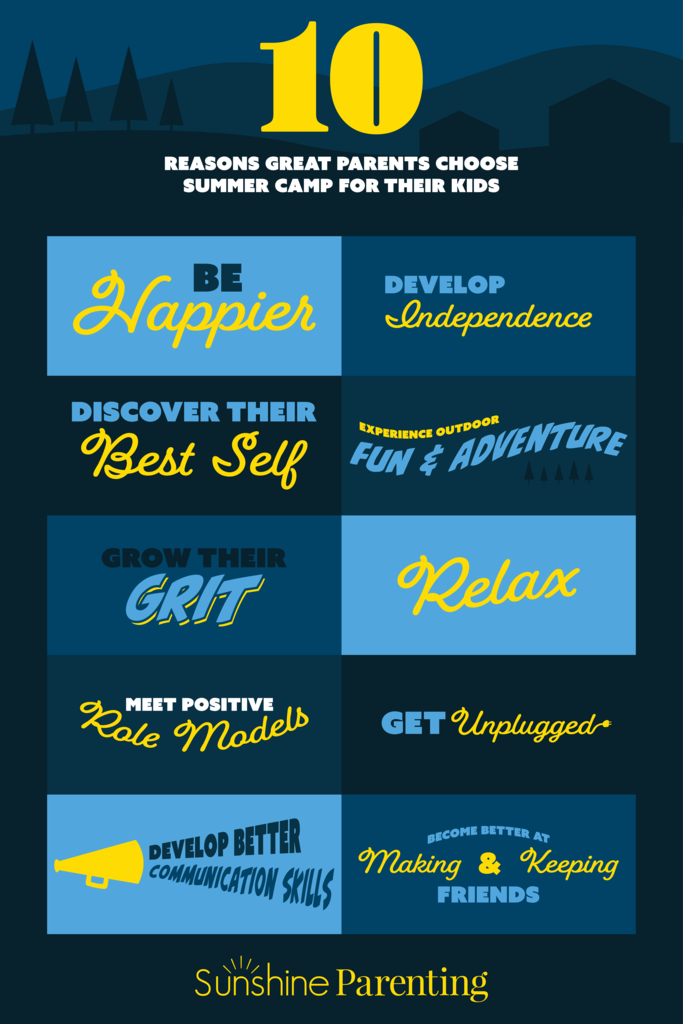
Let this list remind you about some of the many reasons why you are being a great parent by sending your child to camp this summer!
At camp this summer, your child will…
#1 BE HAPPIER
Camp makes me happy and nothing can prepare me for life as well as this environment.
“Come on,” you’re thinking, “How can two weeks in the mountains change my child’s overall happiness level?” Good question. In research I conducted a few years ago, one of the things that both parents and kids agreed was that children feel happier after being at camp. The combination of positive emotions, deep friendships, being disconnected from technology, and just plain fun makes kids feel happier at and after camp. I’ve previously written about how the science of positive psychology may explain why kids flourish at camp and demonstrate increased happiness levels during and after their camp experience. In this era, when we’re seeing our kids suffer from rising rates of depression and anxiety, isn’t it nice to know that there’s a place where kids can go that actually serves as a positive intervention for overall happiness?
 #2 DISCOVER THEIR BEST SELF
Being at camp gives me this sense of belonging that I’ve never felt anywhere else.
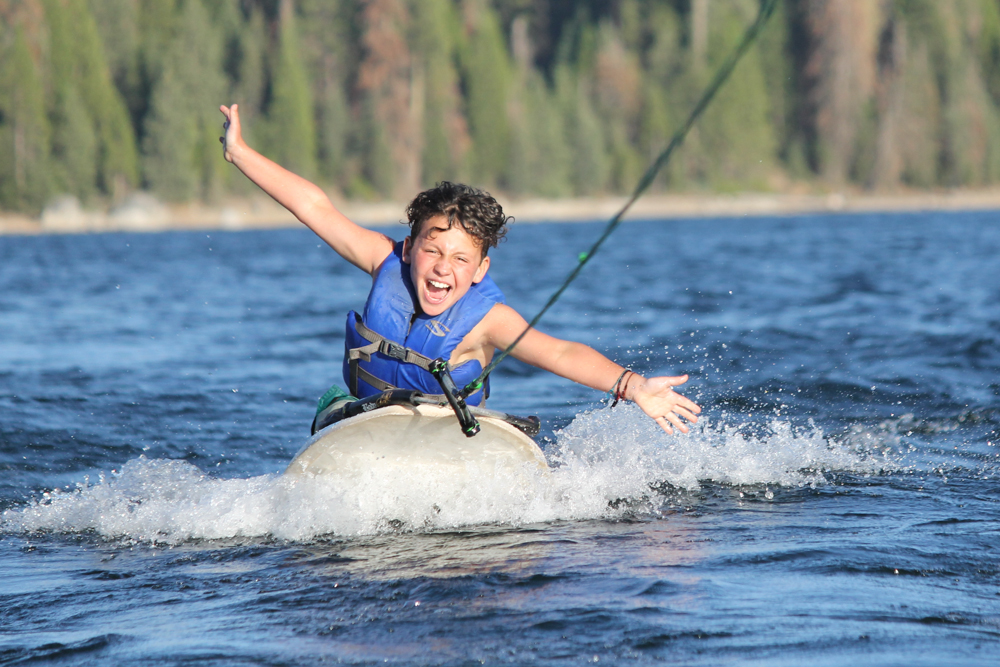
In many different ways, but all with the same underlying meaning, campers describe camp as a place where they can be themselves. They feel open to saying and being who they really are, not stuck conforming to what’s considered “cool” and “acceptable” in the outside world. Surrounded by a diverse group of friends of different ages and backgrounds, kids develop the ability to explore their own interests and express their own thoughts better.
As a parent, I hate to admit that I sometimes push my own interests on my kids, even when I don’t mean to. For example, I might say, “You’re so good at softball! Don’t you want to keep playing?” when my child says she doesn’t want to play anymore. When kids step away from their regular activities and normal life schedules (as well as their well-meaning but often overly directive parents), they have the opportunity to think through what’s really important to them as individuals.
 #3 GROW THEIR GRIT
The counselors challenged me to do things I wouldn’t normally do at home.
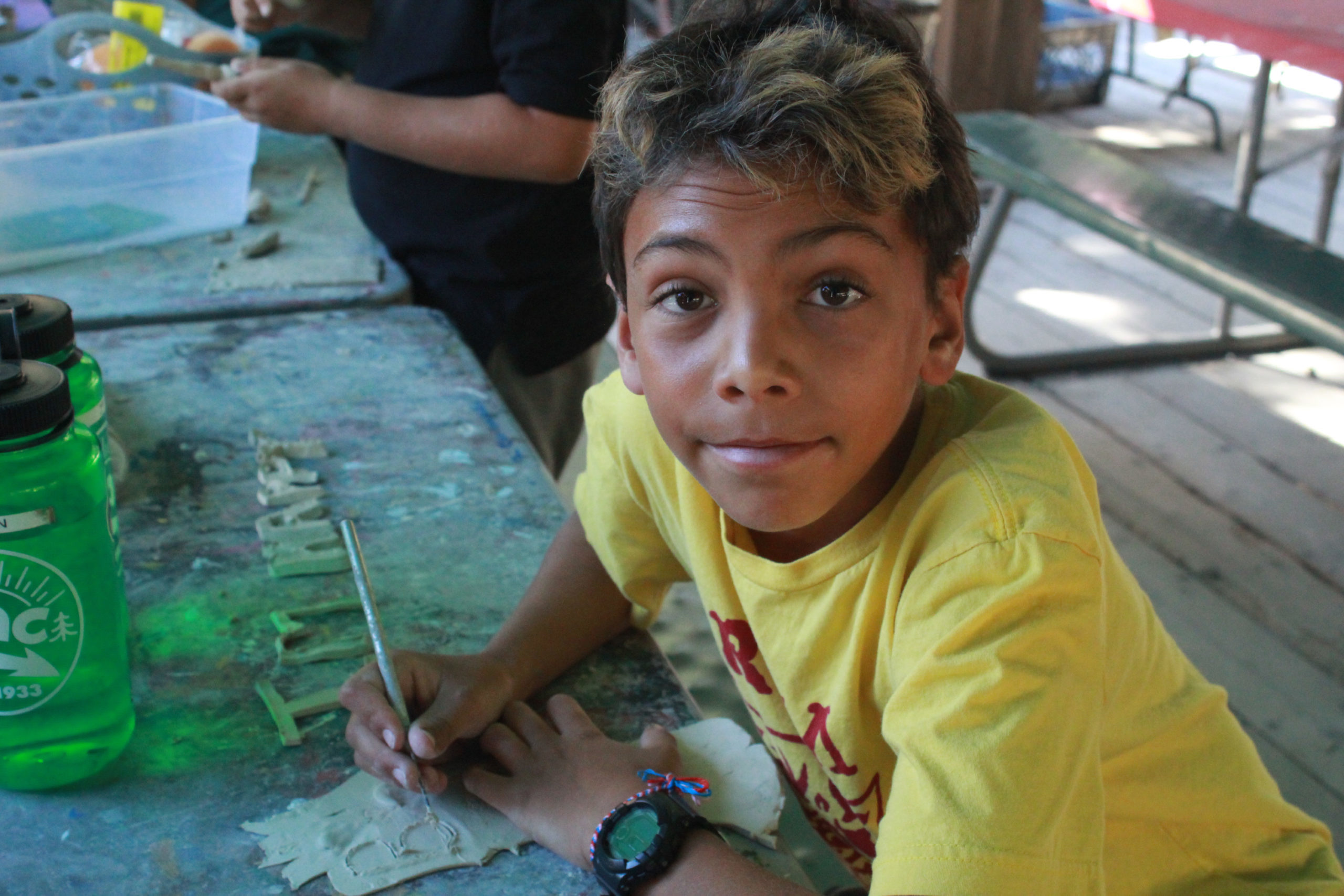
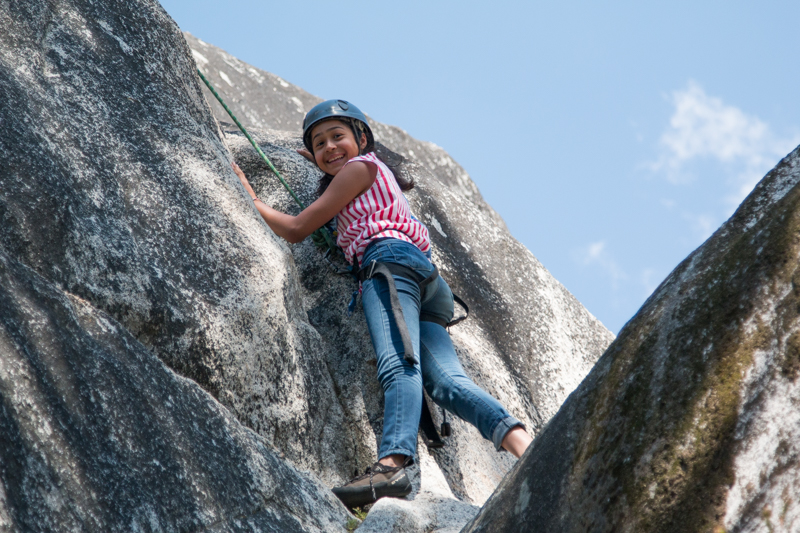
Learning self-reliance, experiencing mistakes and failures, and reaching for goals are all camp experiences that help campers develop their grit, an important character trait that we’ve learned is critical to success in life. Camp offers a unique experience to children – the chance to be away from their parents for a short period of time and learn to handle more things on their own. Without parents to step in and assist, or rescue from mistakes, kids develop confidence in their own ability to make decisions and solve problems. Just being “on their own” is a huge confidence builder for kids, and they feel more self-reliant after being responsible for themselves and their belongings for a few weeks.
 #4 MEET POSITIVE ROLE MODELS
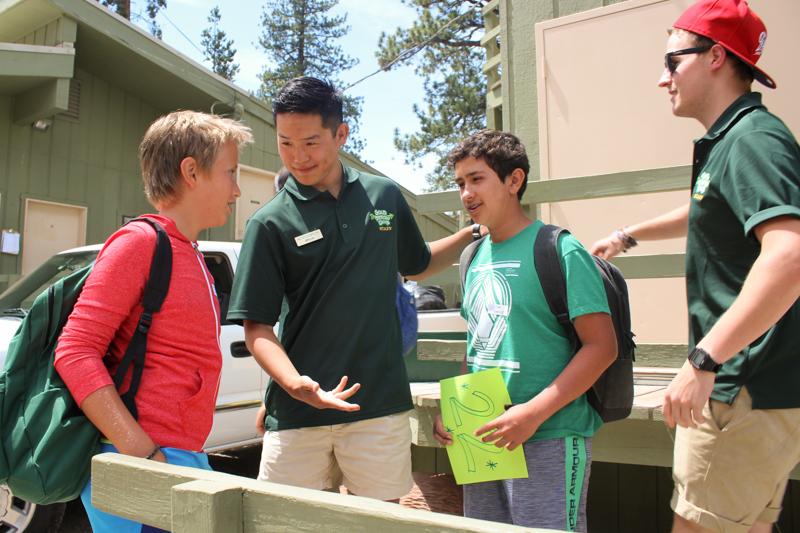
Camp has made me into a leader, having the best role models as my counselors to look up to.
One of the best things that happens at camp is that kids get exposed to a different kind of adult role model than what they see in the media. No reality TV stars will be gracing the waterfront or backpacking trips at summer camp. No perfectly coiffed and stick-thin model will be standing next to them brushing teeth in the bathroom. No macho guy who speaks disrespectfully about women will be leading the campfire discussion. In fact, the college students who choose to spend their summer working at camp are an outstanding bunch of young adults. Most are stellar students with outstanding leadership skills. They love the outdoors and working with kids, and they are the kind of people we want our kids to emulate. They love leading discussions on topics that are important to their campers and helping them build confidence. There’s no focus on appearance at summer camp, and so designer clothes, makeup, and trendy hair-styles don’t hold the same importance that they do at junior high or high school. In fact, the predominant style at camp is pajama pants paired with dirt and sweat-stained t-shirts. And we hardly ever spend time in front of a mirror.
 #5 DEVELOP BETTER COMMUNICATION SKILLS
The other part of camp that has influenced me the most is the simple idea of trying to always smile.
In post-camp surveys, campers consistently write about how ditching their electronics was one of the best things about their camp experience. In fact, it’s a practice they take home with them, setting aside phones during meals with friends so they can connect more genuinely, face-to-face. In the absence of technological tethers, campers have many hours each day to practice these face-to-face communication skills. They learn the importance of things like eye contact, smiles, and body language as they positively interact with their peers. Counselors help facilitate lively discussions, and campers learn to ask each other questions, listen more carefully, and figure out common interests. Kids learn and practice valuable communication skills at camp, which they can use throughout their lives.
 #6 DEVELOP INDEPENDENCE
Going to camp has made me even more independent and a much better people-person. I am able to go confidently up to someone and introduce myself, or hang out with someone new because of my time at camp.
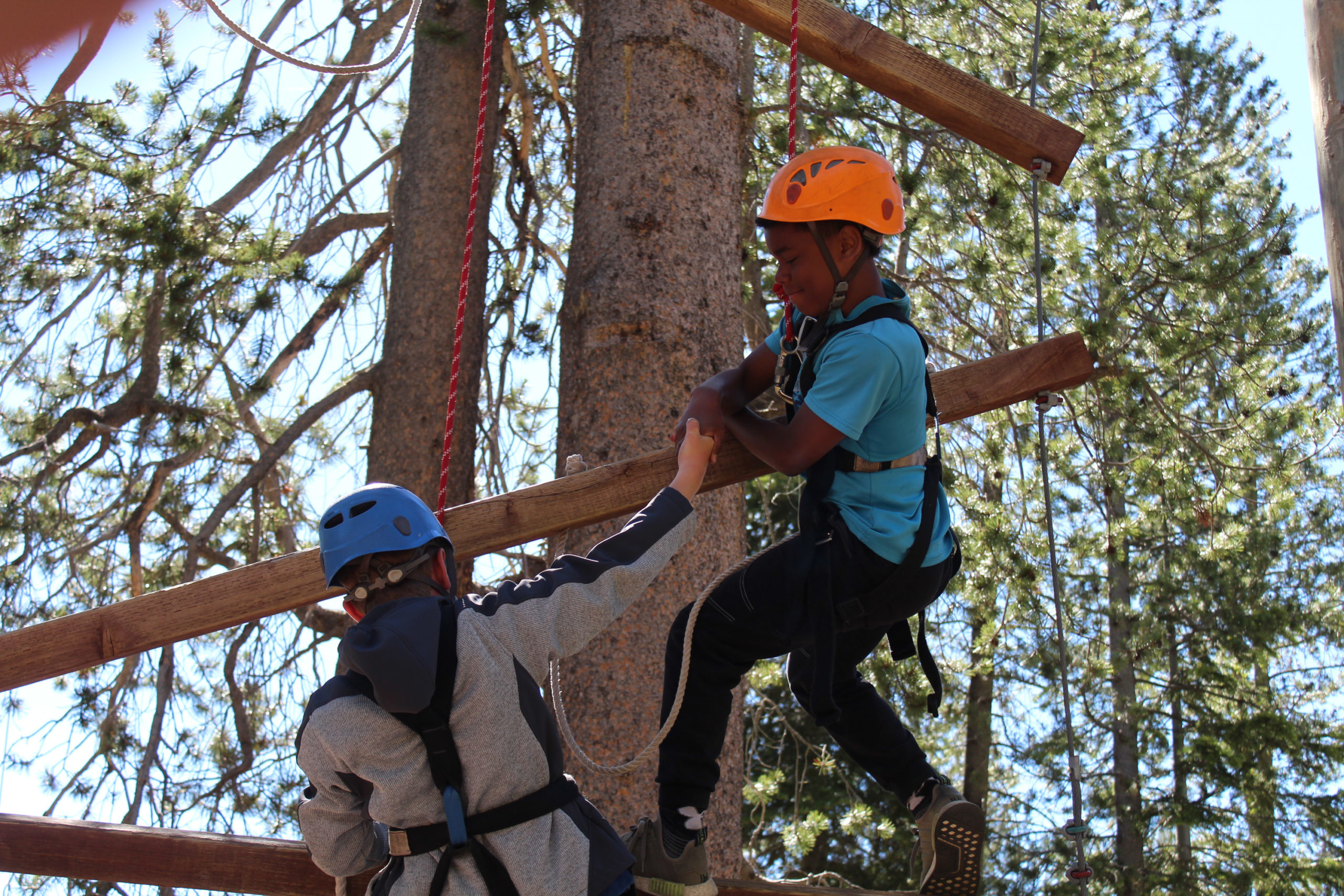
You are giving your child the opportunity to live and thrive without being with you and under your constant scrutiny. The growth in confidence and independence happen at camp BECAUSE you are not there. Read more about why camp experiences help kids develop independence in Parking Your Helicopter.
 #7 EXPERIENCE OUTDOOR CHILDHOOD FUN & ADVENTURE
I have so many fond memories of camp that I can’t choose a particular one. However, some of my favorites memories include sleeping under the stars, doing fun activities, and spending time with friends.
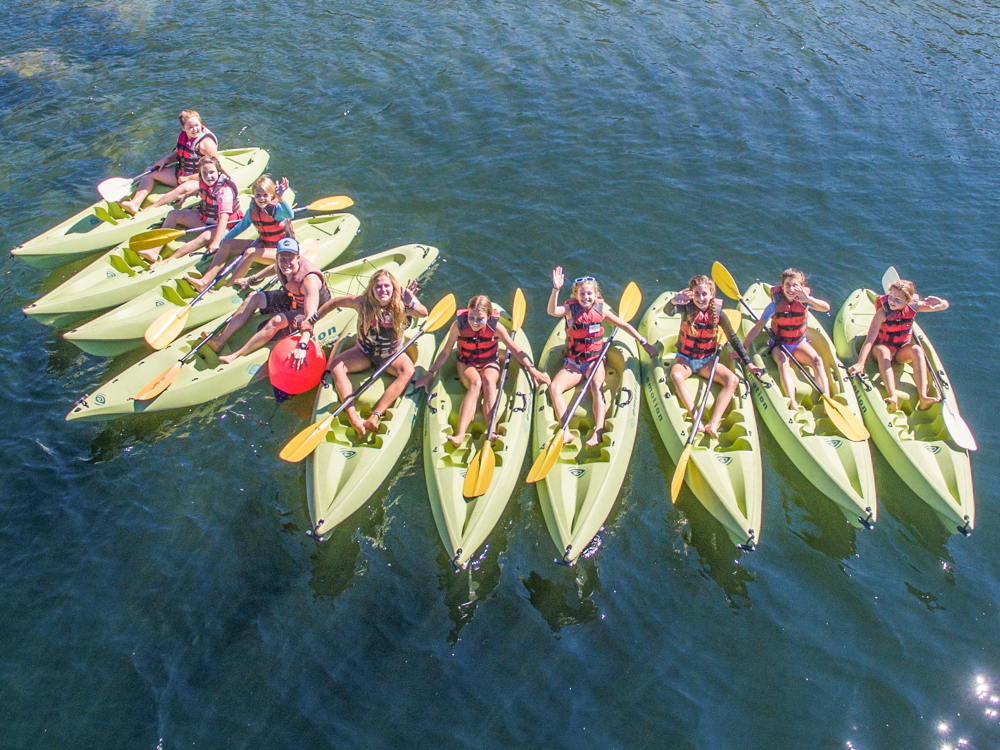
You are giving your child the gift of magical childhood memories – dirt, adventure, story, and joke-filled days and nights spent with friends outdoors, under the stars, and around the campfire. These childhood memories will last forever. And, as Michael Thompson, PhD, so eloquently states, “Our sweetest childhood memories do not include adults.”
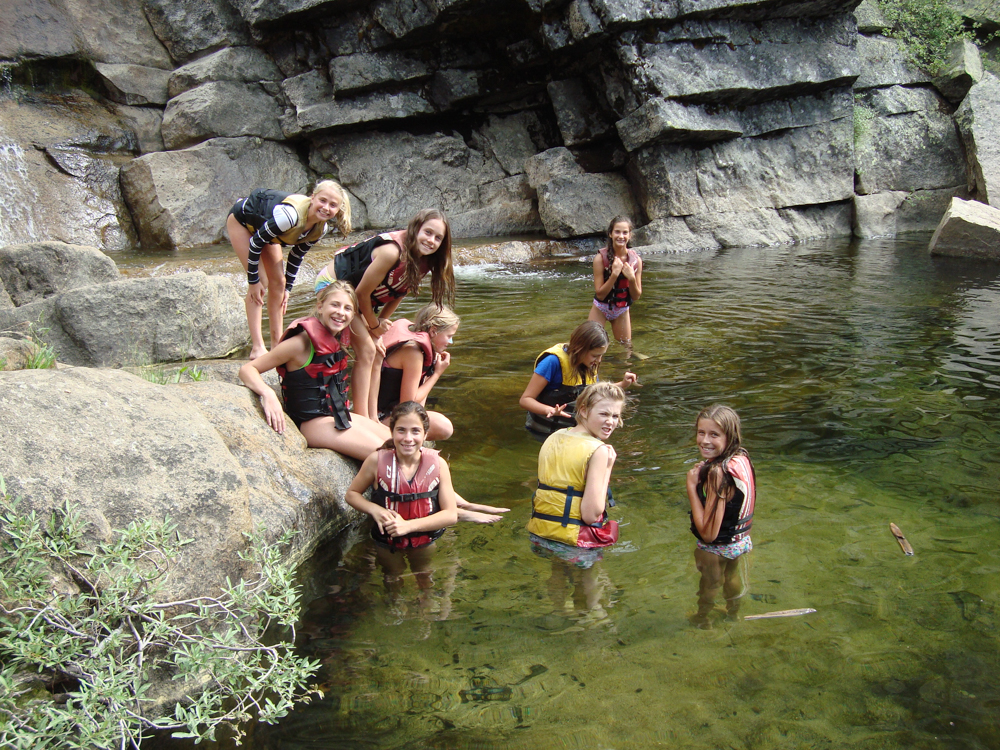 #8 RELAX
The atmosphere is so relaxed.
You are giving your child a break from the pressures and stress of competitive sports, school, and you. Forgive me if that offends, but I, too, am a well-meaning but over-involved parent who provides just a bit too much advice, feedback, and guidance to my children. Our kids need a break from our well-intentioned involvement in their lives.
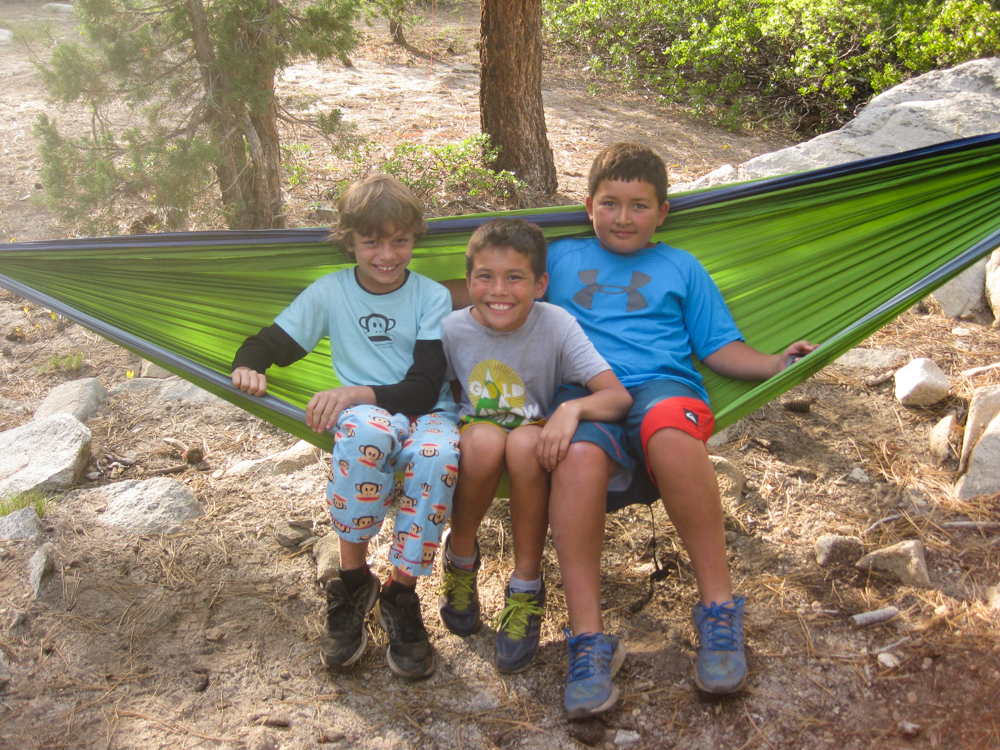 #9 GET UNPLUGGED
Camp has helped me appreciate nature and the outdoors a lot more than I think I would have if I didn’t go. I can go without my phone or connection to social media awhile, because camp has shown me that amazing stuff happens when you put your phone down and have a nice conversation with someone.
You are giving your child the chance to unplug and connect face-to-face with other kids and positive young adult role models.
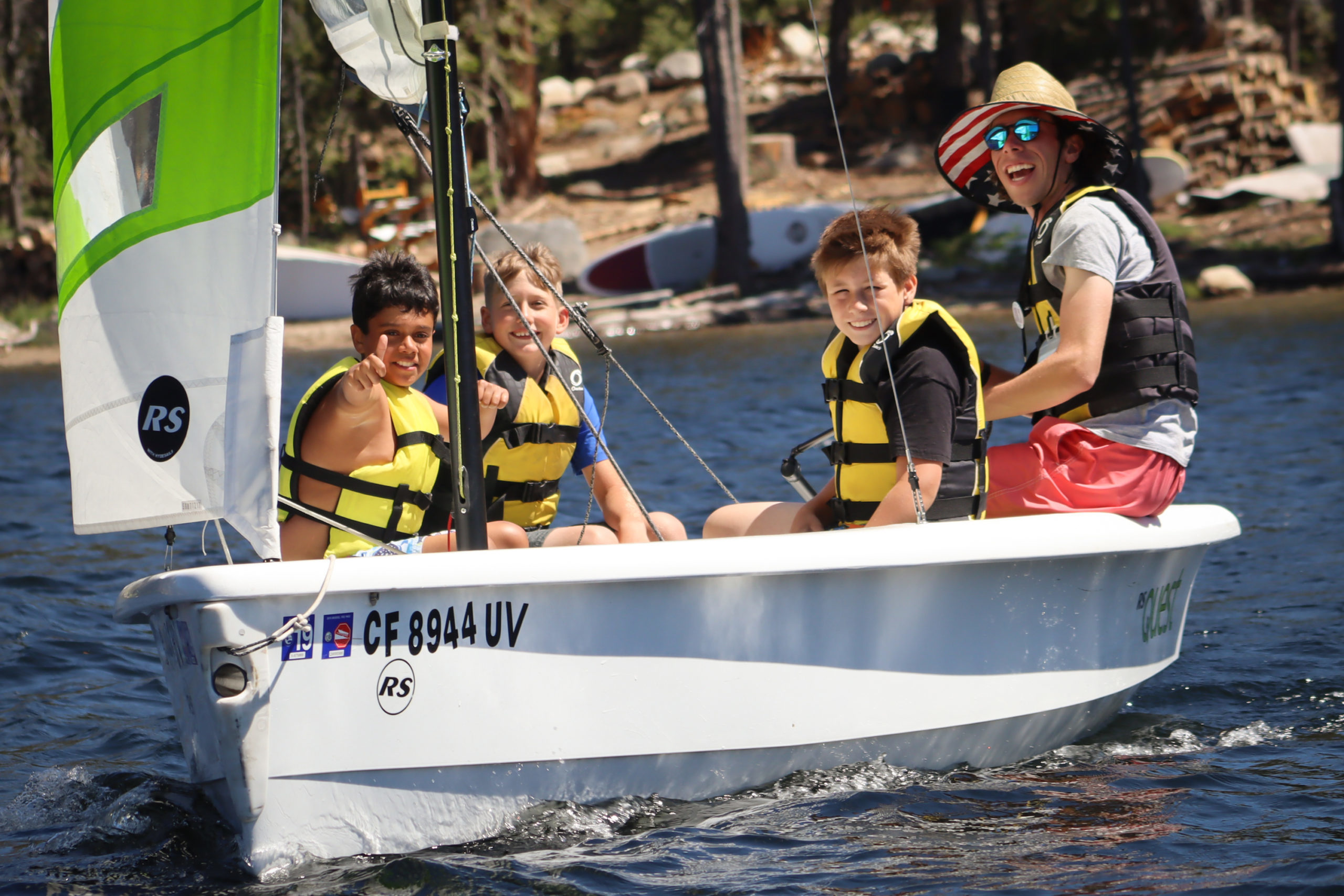 #10 BECOME BETTER AT MAKING AND KEEPING FRIENDS
I feel like I have become a kinder person and am better at making friends because of camp.
The bonding and friendships that happen at camp are different from those that occur at school and on sports teams. The intensity of living together and experiencing life together, without distractions, creates the ideal setting to form life-long friendships and really get to know people well. Read more about camp friendships.
So, if people ever question your decision to send your young child to a traditional, longer camp stay this summer, let them know that it’s hard for you to let your child go, but that you’re giving your child a gift that will have more impact than any material item you’ve ever given.
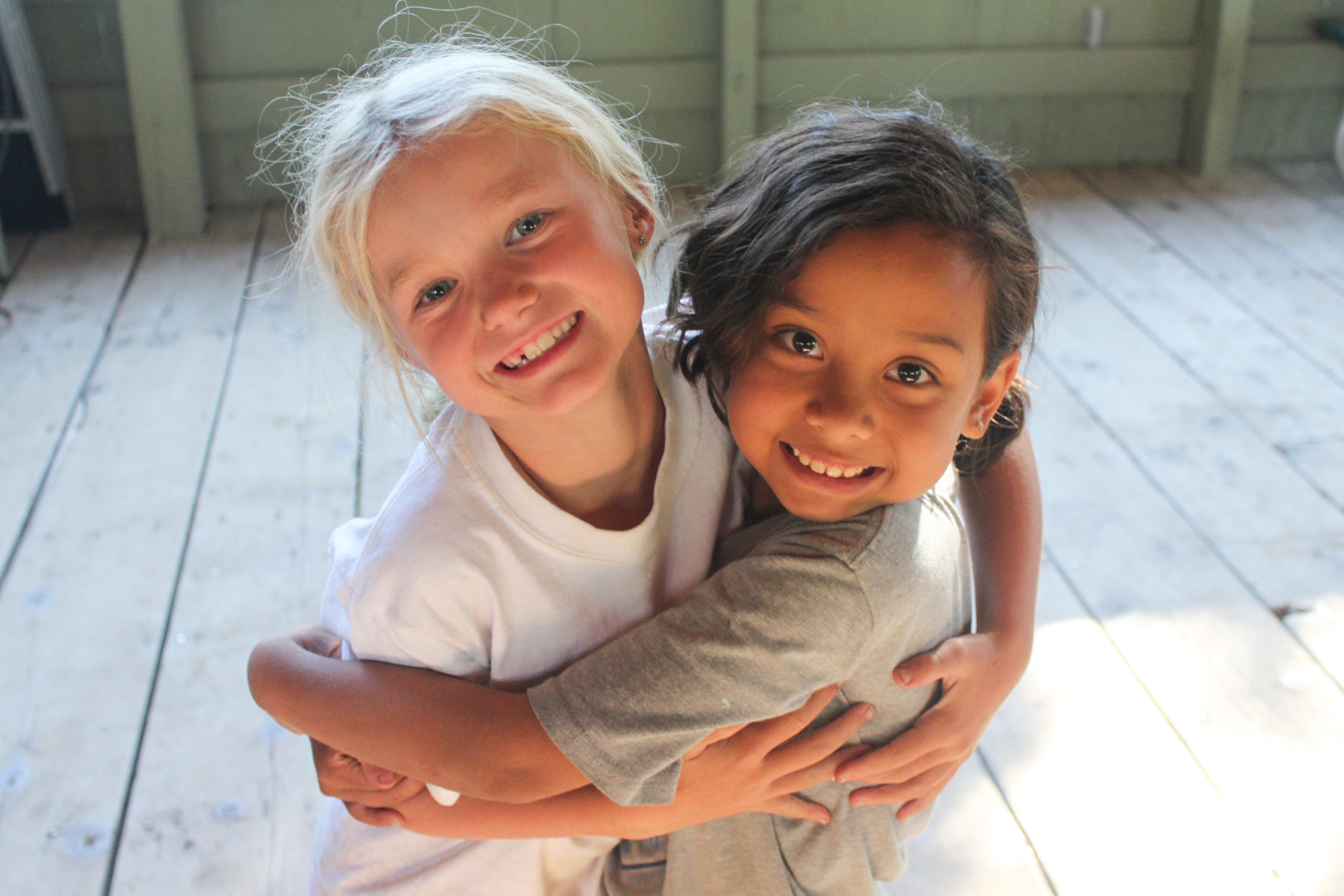
There you have it! Ten of the reasons that great parents send their kids to camp! Don’t you feel good about your decision?
Check out the Sunshine Parenting Podcast for TONS of resources and interviews about summer camp, parenting, and raising thriving kids!
Article originally published at Sunshine Parenting.
Audrey “Sunshine” Monke, MA, has been the owner of Gold Arrow Camp since 1989 and currently serves as the Chief Visionary Officer. In addition to her vision-casting and mentoring at GAC, Sunshine is an author (Happy Campers: 9 Summer Camp Secrets for Raising Kids Who Become Thriving Adults), podcast host, speaker and coach on the topics of parenting, social skills, and happiness. Find out more at her website, Sunshine Parenting.
Visit Sunshine Parenting for more summer camp-related posts & podcast episodes.
Resources
https://www.cdc.gov/childrensmentalhealth/features/anxiety-depression-children.html
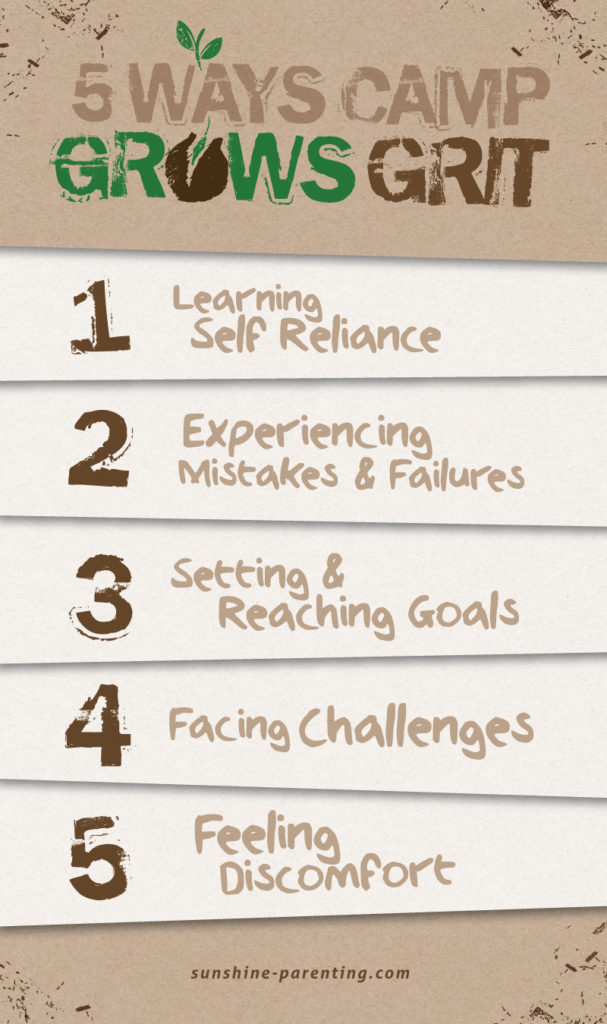
5 Ways Camp Grows Grit
“It turns out that grit predicts performance better than IQ or innate talent. Grit makes our kids productive and successful because it allows them to reach their long-term goals despite life’s inevitable setbacks. This ability to overcome challenges makes them stronger and more masterful at their tasks. Moreover, the ability to cope with difficulty – to be resilient – paves the way for long-term happiness.”
-Christine Carter, “Why I Send my Kids to Camp: It Grows their Grit”
#1 Learning self-reliance grows grit.
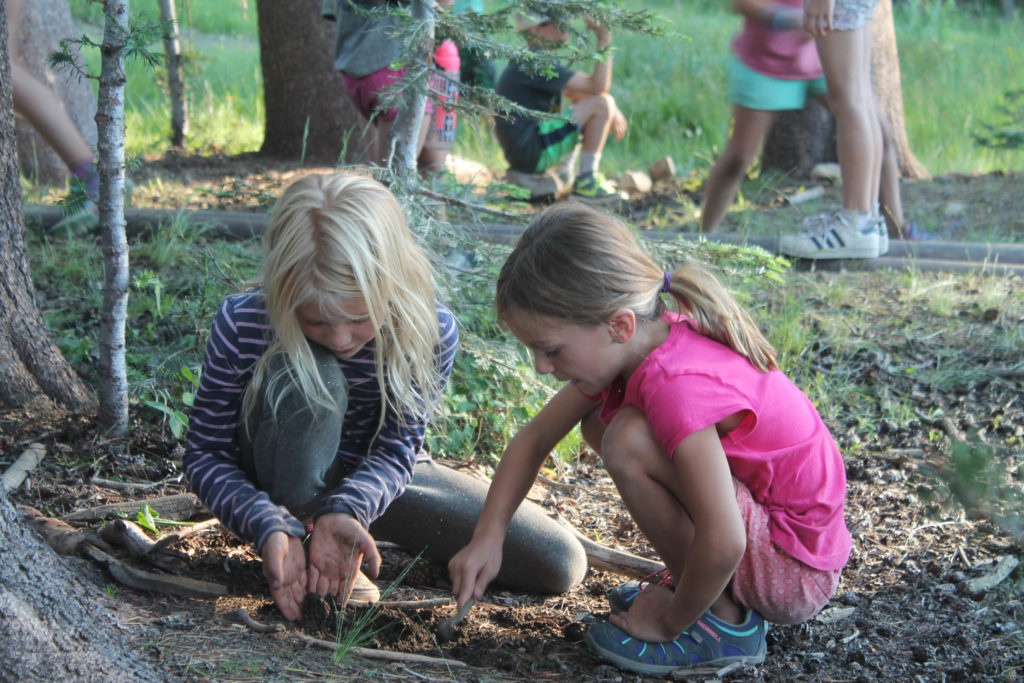
Campers learn to do more things for themselves when Mom or Dad aren’t around to clean up, make decisions, solve problems, intervene with social challenges, and remind kids about appropriate outerwear for a cold evening.
With counselors alongside for support, camp is a great place for kids to develop independence and self-reliance, which in turn increases their confidence.
Counselors will coach campers to be responsible for themselves and their things, but they will not tidy up campers’ bunks or dress them in warm sweatshirts. Learning to do more things for themselves – and seeing that they CAN do things without their parents’ help – grows campers’ grit.
#2 Experiencing mistakes and failures grows grit.
So often, parents step in and stop a failure before it occurs; how often have we rescued a homework assignment left behind on the desk or put the finishing touches on a procrastinated science board project? It’s just really hard to stand there and watch our children crash and burn when we know the easy fix, usually involving our intervention.
Unfortunately, by not allowing our kids to feel the pain of the forgotten assignment or the sting of the lackluster science board, we deprive them the chance to LEARN from their mistakes and NOT MAKE THEM AGAIN. Instead, they learn about “parental rescue,” which is not something we want our children to take with them into adulthood. At camp, kids make mistakes all the time and are actually encouraged to fail (which is viewed as nothing more than a first attempt in learning).
A camper forgets his water bottle? He walks back to the cabin with a buddy to get it. A camper didn’t hang up her towel after activity? She takes that same damp, icky towel to her next water sport. At camp, independently fixing mistakes and persevering through failures are celebrated. Campers are learning from these mistakes, and they are also growing their grit.
#3 Talking about, setting, and reaching goals grows grit.
At camp, kids have the opportunity to reinvent themselves and tell their own stories. Counselors encourage campers to talk about what they want to learn at camp, new skills they want to acquire, and specific goals they have for the camp session. These goals become a guidepost and motivation for campers as they move through camp, and whether they reach or almost-reach a goal, they grow through challenging themselves to try.
Water skiing—the first activity I taught at camp as a counselor—is a great example of how kids grow grit at camp. Frankly, waterskiing isn’t much fun for first-timers; in fact, it takes most people a lot of practice and effort just to get on top of the water, and most don’t make it to standing because they give up too early. But those who keep trying often discover a rewarding payoff.
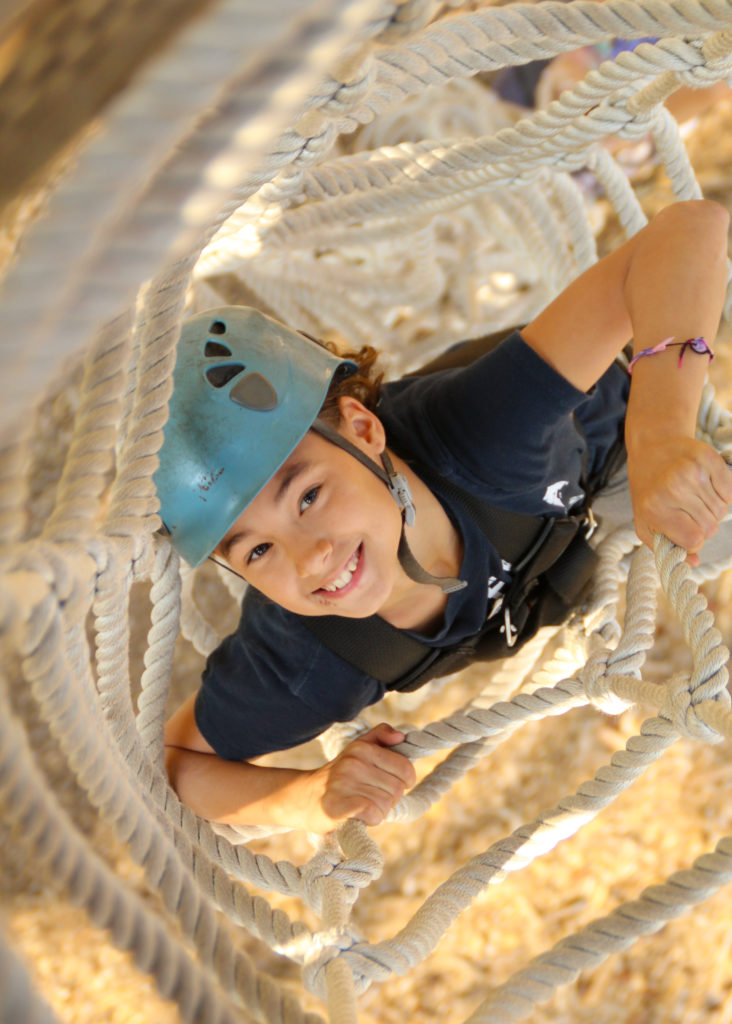
In the same way, campers experience amazing gratification when they overcome a fear of heights or break through their shyness when talking to new people. Even pooping in the woods for the first time is celebrated as an accomplishment at camp! And each of these goals reached, big or small, grows grit.
#4 Facing new challenges grows grit.
In addition to specific activity or social skills goals, there are many new things campers experience that aren’t necessarily challenges, but they can be for some kids. Campers are faced with many new, unfamiliar things at camp: a new place to sleep, new people, new activities, new foods, and a new view, to name a few.
If you studied abroad during college, you know that living in a new country and navigating the culture grows your grit. For many kids, going to camp is like that. For an only child, living in close quarters with eight or nine other kids is a completely new experience. It may or may not be challenging, but it’s different and needs to be navigated. And every new experience, whether easy or difficult, grows the confidence kids have in themselves about approaching OTHER new experiences. And that grows their grit.
#5 Feeling emotional and physical discomfort grows grit.
Many campers feel some degree of emotional discomfort while away from home. Because of this, some parents will never send their kids to camp. Those parents simply can’t handle the idea of their child going through any kind of distress.
But those of us who have experienced how camp positively impacts our kids know that it’s the difficult, uncomfortable stuff that helps them grow. The most common emotional discomfort at camp is homesickness, and it’s especially painful and daunting for anxious kids. Homesickness is very real, but it can be a huge source of growth once the camper figures out how to overcome the emotions and successfully complete camp. I don’t know of any other setting where kids can be coached through a difficult time and emerge invigorated, proud, and wanting to do it again.
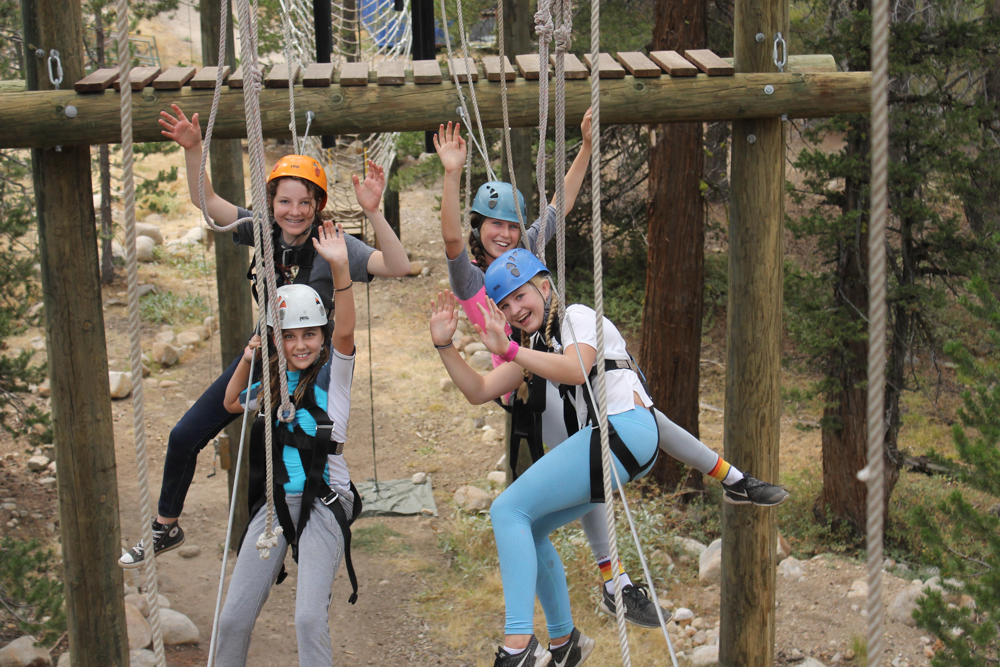
The physical discomforts of camp are also real. Parents may not want to hear about (and probably couldn’t handle themselves) the hardships involved in a big lightning storm, a frigid mountain night, a steep uphill hike, or lake water so cold it makes your teeth chatter. But these things are good for campers, who often don’t experience much physical discomfort at home. Campers speak with pride about the emotional and physical challenges they face and overcome at camp. And those experiences—maybe more than anything else—grow grit.
Article originally published at Sunshine Parenting.
Audrey “Sunshine” Monke, MA, has been the owner of Gold Arrow Camp since 1989 and currently serves as the Chief Visionary Officer. In addition to her vision-casting and mentoring at GAC, Sunshine is an author (Happy Campers: 9 Summer Camp Secrets for Raising Kids Who Become Thriving Adults), podcast host, speaker and coach on the topics of parenting, social skills, and happiness. Find out more at her website, Sunshine Parenting.
Visit Sunshine Parenting for more summer camp-related posts & podcast episodes.
Resources/Related Posts & Podcast Episodes
The Blessing of the Least Favorite Activity
The Importance Of Cabin Group Activities
Why Kids Need to Get Uncomfortable
Why Camp Pick-Up Deals Don’t Work
“If you’re sad or uncomfortable, I’ll come pick you up right away.”
In camp director lingo, we call this kind of pre-camp statement a “pick up deal.” And it’s a terrible idea. In fact, it’s a terrible idea to rescue kids from most forms of discomfort – something parents seem to be more prone to do these days.
Three decades ago, when I started as a camp director, it was unheard of for a parent to pick a child up early from camp due to homesickness. Parents knew that homesickness was part of the camp experience for many kids and that it was something their child – like thousands before them – would work through.
These days, we have a handful of campers who go home early every summer. Why? Because their parents can’t handle their child’s discomfort. As soon as a parent says, “Well, I said he could try it for a few days and if he didn’t like it, I would come get him,” we know there’s nothing we can do to help this child – and parent – be successful at working through the discomfort of their first separation from one another.
In our pre-camp literature to parents, we’re clear about homesickness dos and don’ts. Included in the “dos” is a reminder to “Expect a sad letter” and realize it may have been written during a quiet time when the camper was feeling reflective. Usually, campers feel much better long before the letter reaches home.
Among the “don’ts” are warnings against telling campers you will rescue them if they miss home or are sad. Nor should parents respond to sad letters with sad letters of their own. It’s okay to write that you miss your camper, but to tell them you are miserable as well, and so is the dog, will only make your camper want to come home even more. If your child is homesick, it will be encouraging to hear that “nothing exciting is happening at home.”
It takes a brave parent to allow their young child to go away to summer camp for a week or two and trust the camp staff will care for that child’s needs. But some parents who aren’t ready to let their child go to camp send them anyway, only to set their child up for failure.
Do campers feel uncomfortable at times?
Do campers sometimes get sad and miss home?
Yes and yes. And both of these are good things for their development into a functioning, thriving, independent adult human! They will need this later, when it’s time to leave home for college. Remember this: Summer camp is one of the very few places where young kids have the opportunity to grow their independence from parents.
So what do you say to your kid who’s experiencing normal pre-camp jitters? The truth is always a great option:
“There could be some challenging moments at camp, and I’m confident that you’re ready for this experience.” Or, “Feeling sad or uncomfortable is a normal part of new experiences. The great news is that you’ll grow and be more prepared for all of your future life adventures!”
So, is your child ready for camp? The better question might be this: Are you ready to be a camp parent?
If you can’t send your child to camp with confidence in their ability to work through the inevitable discomfort, the answer may be no. But if you can convince yourself that both you and your child are ready for the camp experience, what’s stopping you? There could be no better way to help your child grow.
Originally published by LET GROW under the title,
“Setting Your Child Up to Fail at Summer Camp.
Audrey “Sunshine” Monke, MA, has been the owner of Gold Arrow Camp since 1989 and currently serves as the Chief Visionary Officer. In addition to her vision-casting and mentoring at GAC, Sunshine is an author (Happy Campers: 9 Summer Camp Secrets for Raising Kids Who Become Thriving Adults), podcast host, speaker and coach on the topics of parenting, social skills, and happiness. Find out more at her website, Sunshine Parenting.
Visit Sunshine Parenting for more summer camp-related posts & podcast episodes.
Resources/Related Posts & Podcast Episodes
Homesick and Happy Book Discussion
Why Kids Need to Get Uncomfortable
Want An Independent, Self-Confident Kid? Camp Can Help!

Why Kids Make Their Closest Friends at Camp
Excerpt from Camp Secret #9: Coach Kids to Better Friendships
(Happy Campers: 9 Summer Camp Secrets for Raising Kids Who Become Thriving Adults)
Why Kids Make Their Closest Friends at Camp
The great outdoors can be a great experience for children only if they know how to live and play together in a cooperative and collegial manner.
—Anne (teacher and camp parent)
 Why do campers and alumni frequently say that they consider their camp friends, many of whom live far away and they see for only a few weeks each summer, their closest friends? Most camp experiences are intentionally set up to foster friendships as one of the top priorities, if not the top, priorities. At schools, on sports teams, and in other settings, there are usually other goals for kids that supersede social growth and fostering friendships. But at summer camp, making friends is the overarching and most important goal, so we take it seriously.
Kids who are socially adept and good at making friends thrive at camp, just like they do in all their other social settings. But it is the kids for whom social interactions are more challenging, whose social life presents a daily challenge, who have benefited the most from their camp experiences. Because counselors view themselves as their campers’ “Friendship Coaches,” understand their important role in helping campers learn to form close relationships, and provide ample opportunities for practicing, campers often improve their social skills while at camp. Counselors assess kids’ skills, identify social strengths and deficits, and use proven coaching techniques to encourage campers to learn and practice important friendship skills. Conversations about friendship are prevalent at camp, friendships are celebrated, and continuing connection outside of camp is encouraged. Many kids report that their camp counselors are the first adults who ever talked with them about making friends and being a good friend.
Resources/Related
Happy Campers: 9 Summer Camp Secrets for Raising Kids Who Become Thriving Adults (Hachette, 2019)
Sunshine Parenting Posts & Podcast Episodes about Friendship Skills
Friendship, The Gold Of Childhood
Creating Connections: Making Friends At Camp And Beyond
Research Finds Children Learn Social Skills At Camp
Homesick and Happy Book Discussion Guide
Every child has to practice being independent and every parent has to practice letting his or her child be independent.
-Michael Thompson, Ph.D., Homesick & Happy: How Time Away from Parents Can Help a Child Grow
Most kids feel some apprehension before going on their first adventure away from home without parents. Many parents are also nervous about the separation from their child, especially if your camper is expressing anxiety about going away to camp.
The biggest source of parental concern is often how your child will handle the separation from you and if they will experience negative emotions, often referred to as “homesickness,” while at camp. While most kids do not feel extreme symptoms of homesickness at camp, many experience emotional challenges during their first (and subsequent) experiences at summer camp and other away-from-parent experiences. These feelings are normal and are something that we have helped many campers work through. Campers feel a great sense of accomplishment when they successfully overcome the challenge of homesickness, and we encourage you to view this experience through the lens of the long-term positive outcomes for your child.
One of our favorite resources for first-time camp parents is Michael Thompson, Ph.D.’s book Homesick and Happy. Parents will find this book helpful not only as you prepare to send your child to GAC this summer, but also as you think about and prepare your child for other future adventures away from you (like college!).
We know many of you are busy and won’t have time to read the whole book, so here are a few ways to get a quick overview:
• Read through our summary notes (sent with the book)
• Listen to Sunshine’s 2020 interview with Dr. Thompson on the GAC POGCAST.
• Listen to Sunshine’s 2017 interview with Thompson on the Sunshine Parenting podcast.
Book Highlights
The following selected passages will help you understand and communicate with your child about why this experience – even if they feel some (or a lot of) homesickness – is important for their development and growth into a thriving adolescent and adult.
Why parents need to “step aside”: p. 8-9 starting at “I believe…”
Eight things parents can’t give children: p.11
Why kids try more things with a camp counselor than they will with you: p. 19
Why kids need to master homesickness: p. 68-70
What parents can do to prevent or lessen homesickness: p. 89-92
Ten elements of a camp experience that create emotionally powerful experiences for children: p. 202-233
“Childsick” and Happy (info for parents missing their kids at camp): p. 238-251
Quotes from Homesick & Happy
Children want to be independent, and they realize that they cannot be truly independent until they beat homesickness, even when they have a painful case of it.
At sleepaway camp, campers send an average of zero texts per day. Into the space created flows a bunch of old-fashioned human behaviors: eye-to-eye contact, physical affection, spontaneous running and jumping, or simple wandering.